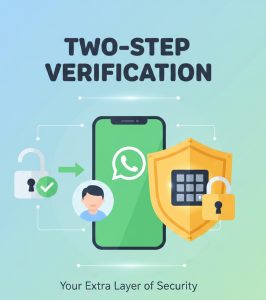
A Comprehensive Guide On Cyber Security in Nigeria
Cyber security courses in Nigerian have recently expanded to an online community, which has promoted the study across Nigeria.
In the 21st century, our lives have migrated online. From banking and shopping to education and government services, Nigeria is rapidly digitizing. However, this progress comes with a shadow: the rise of cybercrime. Whether it’s “Yahoo-Yahoo” scams, data breaches at financial institutions, or national security threats, the need for protection has never been greater.
This is where Cyber Security comes in. It is the practice of protecting systems, networks, and programs from digital attacks. Think of it as the digital version of a security guard, a high-tech fence, and a detective all rolled into one.

Why Cyber Security Matters in Nigeria Today
Nigeria has one of the largest internet-using populations in Africa. As of 2026, the Nigerian Communications Commission (NCC) has launched a comprehensive cybersecurity framework to fortify our digital economy. For a regular Nigerian, understanding cybersecurity isn’t just for “techies”—it’s a survival skill.
1. The Threat Landscape
Cybercriminals use various methods to steal money or information:
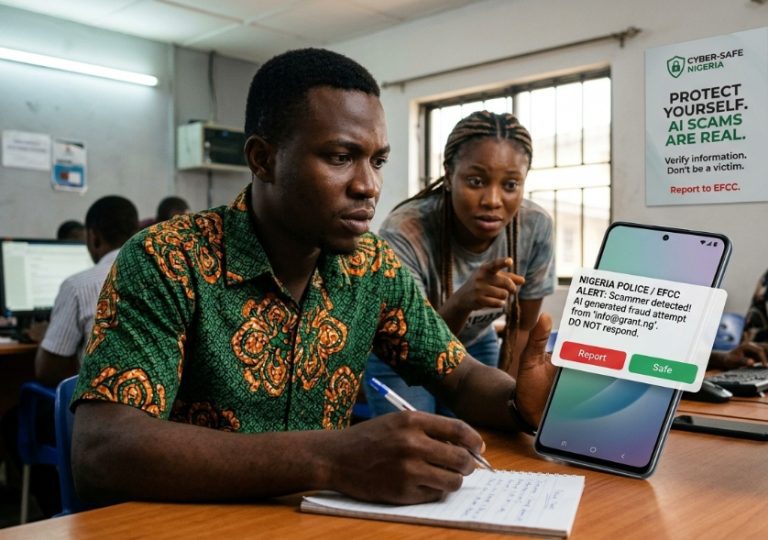
- Phishing: Sending fake emails or SMS (Smishing) that look like they are from your bank to steal your PIN or password.
- Ransomware: Software that locks your computer files and demands money to release them.
- Social Engineering: Tricking people into giving up secret information through conversation or fake urgency.
2. The Career Opportunity
Because the threats are growing, the demand for experts is exploding. Companies in Lagos, Abuja, Port Harcourt, and beyond are searching for “Digital Soldiers” to protect their assets. It is one of the highest-paying fields in the modern job market.
Top Cyber Security Courses and Certifications
If you want to start a career in this field, you don’t just need a degree; you need skills. Here are the most recognized courses and certifications for Nigerians in 2026:
Beginner Level
- CompTIA Security+: This is the “Gold Standard” for beginners. It covers the basics of security, risk management, and troubleshooting.
- Google Cybersecurity Professional Certificate: An excellent, affordable online entry point available on platforms like Coursera.
- Certified Ethical Hacker (CEH): Teaches you how to think like a hacker so you can stop them.
Intermediate to Advanced Level
- CISSP (Certified Information Systems Security Professional): The ultimate certification for those wanting to reach management or “Chief Information Security Officer” (CISO) levels.
- **CISM (Certified Information Security Manager): Focuses on the business side of security—managing teams and policies.
- **CISA (Certified Information Systems Auditor): For those who want to inspect and audit systems to ensure they meet legal and safety standards.
Where to Learn Cyber Security Across Nigeria (36 States & FCT)
You don’t have to travel to Lagos to learn. While the biggest hubs are in the South-West and the FCT, there are opportunities nationwide through federal universities, private institutes, and remote learning.
1. South-West (The Tech Hub)
- Lagos: The heartbeat of tech. Training centers like Fibertrain, Tech365, and NIIT offer hands-on boot camps. Universities like UNILAG and Lagos State University (LASU) have strong computer science programs.
- Ogun: Covenant University (Ota) and Babcock University (Ilishan-Remo) are leading private institutions for cybersecurity degrees.
- Oyo/Osun/Ekiti: University of Ibadan (UI), LAUTECH (Ogbomoso), and Afe Babalola University (Ado-Ekiti) offer specialized degrees.
2. North-Central (The Policy Hub)
- Abuja (FCT): Home to Neo Cloud Technologies and Nile University. The Nigerian Communications Commission (NCC) and NITDA often host workshops here.
- Niger: Federal University of Technology, Minna (FUTMINNA) is widely ranked as the top university in Nigeria for cybersecurity studies.
- Kwara: University of Ilorin (UNILORIN) and Al-Hikmah University provide excellent academic paths.
3. North-West & North-East
- Kaduna: The Nigerian Defence Academy (NDA) and the Air Force Institute of Technology (AFIT) are premier locations for “Defense-focused” cybersecurity.
- Kano: Bayero University Kano (BUK) and Skyline University are key centers for the North-West.
- Borno: Nigerian Army University, Biu (NAUB) offers specialized training in security informatics.
4. South-South & South-East
- Rivers: University of Port Harcourt and various private IT hubs in PH City.
- Imo/Abia: Federal University of Technology, Owerri (FUTO) and Gregory University offer robust technical curricula.
- Enugu: University of Nigeria, Nsukka (UNN) remains a powerhouse for foundational computer science and security.
How to Start Your Journey on cyber security
- Start with the Basics: Use free resources like YouTube or “Cybrary” to understand what a network is and how the internet works.
- Pick a Path: Do you want to be a Penetration Tester (finding holes), a SOC Analyst (monitoring threats), or a GRC Expert (legal and compliance)?
- Get Certified: Enroll in a local training center (like those mentioned above) or use online platforms like Coursera and Udemy.
- Practice: Set up a “home lab” on your laptop using Virtual Machines to practice hacking (legally!) and defending.
- Network: Join communities like Cybersecurity Experts Association of Nigeria (CSEAN) or local tech meetups in your state.
12-Week Cybersecurity Roadmap
Phase 1: The Foundation (Weeks 1–4)
Before you can defend a network, you must understand how it works.
- Focus: Networking Basics, Operating Systems (Windows & Linux), and Hardware.
- Key Topics: IP addresses, DNS, DHCP, Routers vs. Switches, and Basic Linux Command Line.
- Recommended Resource: Professor Messer’s CompTIA Network+ (Free on YouTube) or Cisco Networking Academy (NetAcad).
Phase 2: Security Essentials (Weeks 5–8)
Now you learn the “Security Mindset.”
- Focus: Threats, Attacks, and Vulnerabilities.
- Key Topics: Phishing, Malware types, Encryption (Cryptography), and Firewalls.
- Recommended Resource: Google Cybersecurity Professional Certificate (Coursera) – this is highly interactive and beginner-friendly.
Phase 3: Defensive & Offensive Tools (Weeks 9–10)
Getting your hands “dirty” with the tools professionals use.
- Focus: Learning tools like Wireshark (to see network traffic) and Nmap (to find open doors).
- Activity: Download VirtualBox and install Kali Linux. Practice basic scans in a safe, private environment.
- Recommended Resource: TryHackMe (A gamified website where you practice hacking and defending in real-time).
Phase 4: Certification Prep (Weeks 11–12)
Getting the paper that proves your skill to Nigerian employers.
- Focus: Passing the CompTIA Security+ exam.
- Activity: Take practice exams and join a Nigerian study group (like CyberSafe Foundation or CSEAN student chapters).
Your “Digital Toolbox” (Free/Cheap)
To succeed, you don’t need a ₦2,000,000 lab. You just need a laptop with at least 8GB RAM and these tools:
- TryHackMe / HackTheBox: Best for hands-on practice.
- Cybrary: Great for video courses on specific security topics.
- The Cyber Mentor (YouTube): Excellent for learning Ethical Hacking for free.
- LinkedIn: Follow Nigerian cyber experts to see where the jobs are being posted.
Pro-Tip for Nigerians
In Nigeria, many recruiters look for hands-on experience. Since you are just starting, the best way to show experience is to build a Portfolio.
- Write short articles on LinkedIn about what you learned each week.
- Take screenshots of your “labs” (e.g., when you successfully secure a virtual server).
top 5 Nigerian-led cybersecurity communities on Telegram or LinkedIn
In Nigeria, networking is often the “hidden” key to landing a job. Many cybersecurity roles are filled through community referrals before they are even posted on Jobberman.
Here are the top 5 Nigerian-led cybersecurity communities where you can find mentors, free training alerts, and job leads:
1. Cyber Security Experts Association of Nigeria (CSEAN)
This is the “Umbrella Body” for professionals in Nigeria. It is highly formal and recognized by the government.
- Best For: Official news on Nigerian cyber policy, national conferences, and high-level networking.
- Where to find them: LinkedIn or their Official Website. They have chapters in Lagos, Abuja, and other regions.
2. CyberSafe Foundation (CyberGirls & NoGoFallMaga)
Founded by Confidence Staveley, this is arguably the most active NGO for cybersecurity in Africa.
- Best For: Women (CyberGirls Fellowship), beginners, and those interested in “Blue Teaming” (defense). They often partner with SANS Institute for free international certifications.
- Where to find them: LinkedIn and Telegram.
3. NaijaSecCon
Nigeria’s premier technical cybersecurity conference community. If you like the “hacker” culture and deep technical dives, this is for you.
- Best For: Technical workshops, Capture The Flag (CTF) competitions, and meeting “Red Teamers” (offensive security).
- Where to find them: Follow #NaijaSecCon on X (Twitter) or LinkedIn.
4. SheSecures
A dedicated community focused on bridging the gender gap in cybersecurity within Nigeria and Africa.
- Best For: Mentorship, career guidance for women, and scholarship opportunities for security exams.
- Where to find them: LinkedIn and their active Telegram group.
5. Hack The Box (HTB) Local Meetups (Lagos, Ibadan, Benin)
These are local chapters of the global “Hack The Box” community where enthusiasts meet physically or virtually to solve hacking challenges.
- Best For: Hands-on practice and “Geek” networking in specific cities.
- Where to find them: Search for “HTB Meetup Lagos” or “HTB Meetup Ibadan” on Meetup.com.
Quick Checklist for Joining:
- Update your LinkedIn: Ensure your profile says “Aspiring Cybersecurity Professional.”
- Be Helpful, Not Just Needy: When you join these groups, share an interesting article or a lab you completed before asking for a job.
- Use Telegram Wisely: Most Nigerian tech groups live on Telegram. Use a professional photo and your real name so recruiters can find you.


 Doctor Brandy Harmon