Ensuring Safety in Nigeria: A Comprehensive Guide to Preventing Building Failures.
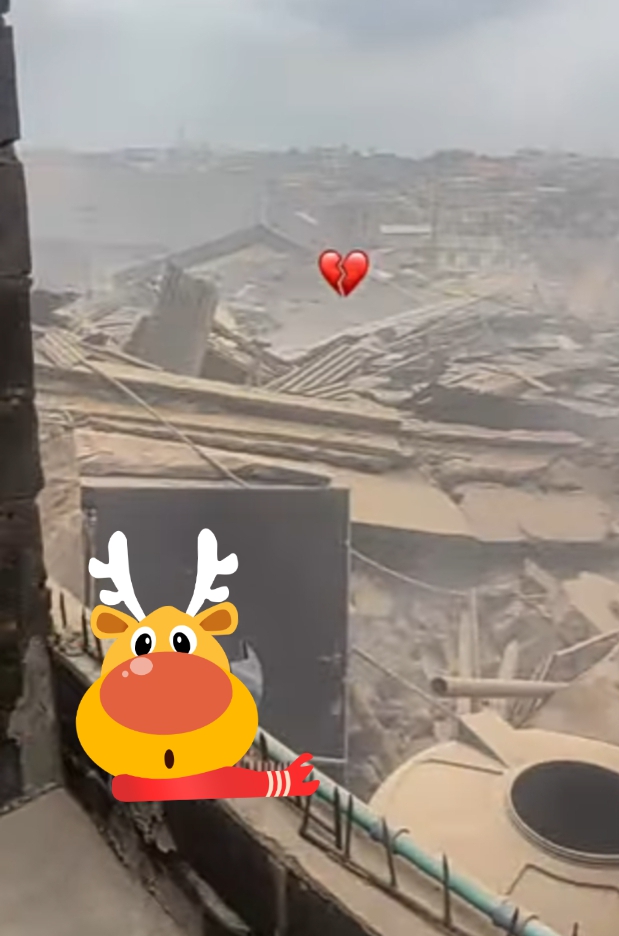
The recent collapse of a school building in the Aguda area of Ogba, Lagos, sent shockwaves through the community. While the miracle of the day was that every student and teacher escaped just minutes before the structure crumbled, the event serves as a grim reminder of a recurring nightmare in Nigerian urban centers.
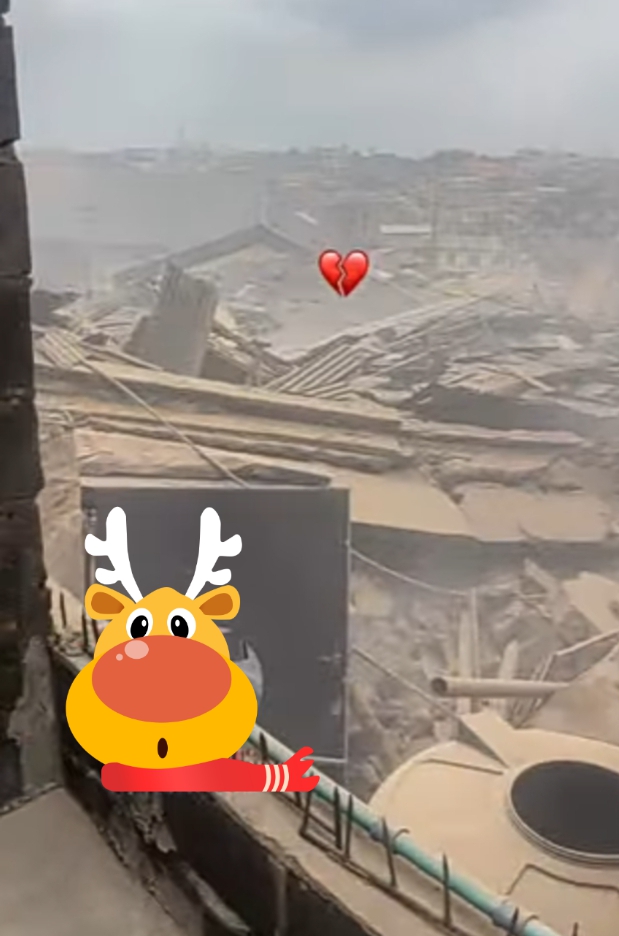
When a four-story building housing a school simply gives way in the middle of a school day, it is no longer just an “accident”—it is a systemic failure that demands urgent attention.
Building collapses have become a distressing signature of Nigerian construction, particularly in rapidly growing cities. However, both the engineers and the owners of the projects, are to be held responsible. This is because either the engineers uses cheap and outdated materials, or the owner of the project, economize resources – thereby going for cheaper materials to save cost.
To move forward, we must look beyond the rubble of the Ogba incident and analyze why these tragedies happen and, more importantly, how we can stop them. In this article, a clearly analysis and preventive measures against building collapse in Nigeria, shall be provided.
Why Buildings Collapse in Nigeria
Building a house is like human biology; if the skeletal system is weak or the “organs” (utilities and materials) are failing, the body cannot stand. In Nigeria, several factors often converge to create a “perfect storm” for structural failure.
1. Poor Quality of Building Materials
This is perhaps the most common culprit. In a bid to save costs, some developers opt for sub-standard materials. This includes using “washed-out” or low-grade cement, using rusted or thin iron rods (rebar) that cannot support the weight of the slabs, or mixing too much sand with too little cement. When the concrete is weak, it cannot handle the pressure of the floors above it.
2. Lack of Professionalism
Construction is a science that requires architects, structural engineers, and certified builders. Unfortunately, many projects in Nigeria are handled by “quacks”—individuals who have “experience” on sites but lack the formal engineering education to calculate load-bearing capacities. If a structural engineer does not sign off on the plans, the building is essentially a ticking time bomb.
3. Illegal Extensions and “Adding Floors“
The Ogba school incident raised questions about unauthorized activities on the site. A very common cause of collapse is when a developer designs a building for two floors, but mid-way through, decides to add a third or fourth floor to maximize rent. The original foundation was never built to carry that extra weight. Without strengthening the base, the building will eventually groan and give way under the illegal load.
4. Poor Soil Testing
Not all land is created equal. Some areas have “marshy” or soft soil that requires deep piling (driving long poles deep into the earth) to reach solid ground. If a builder treats swampy land like firm rock and uses a shallow foundation, the building will eventually tilt or sink, leading to a total collapse.
5. Lack of Government Oversight and Corruption
While agencies like the Lagos State Building Control Agency (LASBCA) exist, they are often stretched thin. Sometimes, “stop-work” orders are ignored, or unscrupulous officials are bribed to look the other way while a developer continues a faulty project. When the law isn’t enforced, safety is sacrificed for profit.
Lessons from the Ogba Incident
The school collapse offers two critical lessons. First, the importance of structural signs. The building didn’t just disappear; it gave off warning signs that a bricklayer noticed. Cracks, “creaking” sounds, or doors that suddenly won’t close are the building’s way of screaming for help.
Secondly, it highlights the vulnerability of public spaces. When a school or a market is housed in a residential-style building that has been modified, the risk increases. Schools have high “live loads” (many people moving at once), which puts different stresses on a structure compared to a quiet apartment.
How to Prevent Building Collapse
Preventing a collapse starts long before the first block is laid. It is a journey of integrity and adherence to standards.
1. Engage Certified Professionals
Before you dig a hole, ensure you have a team consisting of a registered Architect, a COREN-registered Structural Engineer, and a Quantity Surveyor. These professionals ensure that the design is safe and the materials are calculated correctly.
2. Conduct a Soil Test
Never assume the ground is solid. A geotechnical engineer should test the soil to determine what kind of foundation is needed. It is cheaper to pay for a soil test than to lose an entire building to a “sinking” foundation later.
3. Use Quality-Assured Materials
Only buy cement and iron rods from reputable distributors. Ensure the water used for mixing concrete is clean (not salty or muddy), as impurities can weaken the chemical bond of the cement.
4. Stick to the Approved Plan
If your permit says three floors, build three floors. If you decide you want more space later, you must consult a structural engineer to see if the foundation can be “underpinned” (strengthened) and get a new permit from the building authorities.
5. Regular Maintenance and Inspections
Buildings age. In Nigeria’s humid and sometimes salty environment (especially in coastal areas like Lagos or Port Harcourt), reinforcements can rust. Regular checks for deep structural cracks or dampness in the walls can save lives.
What to do if you suspect danger
Safety is everyone’s business. We cannot leave it all to the government.
- For Tenants and Parents: If you notice wide diagonal cracks in the walls of your home or your child’s school, or if the floor feels uneven, report it immediately to the authorities. Do not wait for the landlord to “patch” it with plaster. Plaster hides cracks; it doesn’t fix them.
- The “3-Minute” Rule: In the Ogba incident, three minutes made the difference between life and death. If you hear a loud “crack” or see dust falling from the ceiling for no reason, do not stop to pack your bags or find your laptop. Evacuate everyone immediately.
- Whistleblowing: If you see a developer building at night to avoid inspectors, or adding floors to a building that looks unstable, notify the state building control agency. You might be saving dozens of lives.
A Call for a Culture of Safety
In summary, the collapse of a school should never happen again. While we celebrate the fact that no lives were lost in the West this week, we must realize that we cannot always rely on miracles.
Building collapse in Nigeria is not an act of God; it is a result of human choices—the choice to use cheaper rods, the choice to skip a soil test, or the choice to ignore a warning sign. By demanding higher standards from developers, empowering our regulatory agencies, and prioritizing life over profit, we can ensure that our homes and schools remain places of shelter, not symbols of tragedy.
Let the Ogba miracle be our final warning. It is time to build with integrity.






 Doctor Brandy Harmon