
How to treat infection in both males and females
General treatment of infection could vary, depending of the severity of the infection. Nevertheless, If you’re battling one infection or the other and feels like all hope is lost, then this post is for you.
Most individuals have been caught up with fear and anxiety , due to the level of description given to sexually transmitted diseases. However, it is important to recognize that many STIs are easily managed or cured when identified early.
What is STI?
With the aid of modern medicine, provisions have been made available for highly effective pathways for treatment, ensuring that long-term health is preserved. In this article, we shall explore some of the various methods used to treat common infections, the importance of professional medical guidance, and the steps required to prevent recurrence.
Known as Sexually transmitted infection, STI is an infection which gains entry into the body through sex.
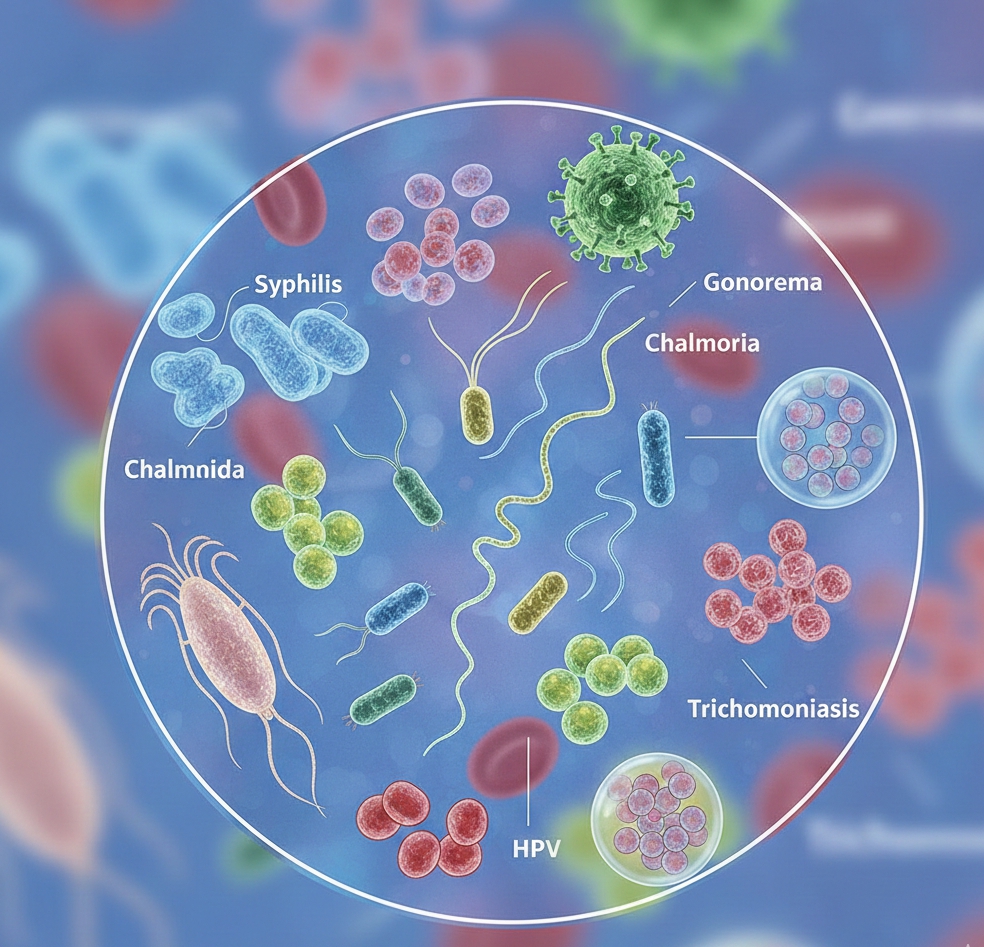
However STI can only be addressed if the suspected person, takes the first step meeting a healthcare provider for proper and accurate identification of the particular infection, the testing. This is because different pathogens—such as bacteria, viruses, or parasites—require specific interventions before it spreads, and this can only begin after test reveals the exact pathogen.
Categories of infection
the following are the common classes of infection and their cures;
Bacterial Infections: These are typically cured with a course of antibiotics. To treat this type of infection, you must seek directives from a doctor, other than self medication. However, here are some common antibiotics to bare in mind: penicillins (e.g., amoxicillin), cephalosporins (e.g., cephalexin), macrolides (e.g., azithromycin), and tetracyclines (e.g., doxycycline). Note that these antibiotics are ineffective against viruses like cold or flu.
Viral Infections: as serious as it may, this kind of infection needs a diagnosis and proper prescription, and managed with antiviral medications to reduce symptoms and lower the risk of transmission.
Parasitic Infections: it is important to know that most of these infections are caused by worms. This is why deworming is very essential. Basically, these are cleared using specific targeted medications, such as antiparasitic.
Some of the medications included: albendazole or mebendazole, basically for worms, and metronidazole, nitazoxanide, or ivermectin for protozoa and specific parasites. Note that treatment depends on the parasite type (worms, protozoa, or ectoparasites), requiring specific prescription drugs to eradicate the infection.
Treatment of Sexually transmitted infection
1. Chlamydia and Gonorrhea
These two infections are originally known as bacterial infections, which are frequently found together. If infection isn’t discovered in time and treated, they usually lead to , pelvic inflammatory disease (PID) or infertility. To treat them, oral antibiotics is prescribed( you have to swallow antibiotics with water).
However , serious infection, such as gonorrhoea, must be treated through an injection of the antibiotic, which must be administered in a clinical setting to ensure the bacteria are fully eradicated. When treatment is administered it is compulsory that the entire course of medication is finished, even if symptoms disappear after the first day or two.
2. Syphilis
Syphilis is also a bacterial infection, but notably a complex one, which grows several stages. If caught in its early phases, it is highly curable. But otherwise, it remains very difficult to treat, if it develops into a higher stage. One of the common and effective treatment for the early stage is Penicillin.
3. Human Papillomavirus (HPV) and Genital Warts
General wart could be transmitted most to people who sleeps around with different partners. This is why it’s advised to always have a shower before making love. Although there is no cure for the virus itself, the physical symptoms—such as genital warts—can be managed effectively.
To manage warts, they can be removed through through various methods, such as: using topical creams prescribed by a doctor, cryotherapy (freezing), or laser treatments. To prevent this infection, you’re advised to retain a clean partner or face the results.
4. Herpes Simplex Virus (HSV)
This is considered a lifelong viral infection which is usually caused by the herpes simplex virus (HSV), characterized by painful, fluid-filled blisters or ulcers on the mouth (HSV-1) or genitals (HSV-2). Funny enough, men who gives oral sex, are likely to be infected with this virus. You must note that this virus is highly contagious, spreading via skin-to-skin contact, and while there is no cure, antiviral medications can manage symptoms and reduce transmission.
5. Trichomoniasis
Being one of the most common STI caused by a tiny parasite, It is easily resolved once identified. A single dose of a specific oral antibiotic metronidazole or tinidazole) is usually sufficient to clear the infection.
Medical guidance
It is very wrong for you to try treatment of infection, without the directives of a medical practitioner
Considering roadside vendors for “natural” cures are generally ineffective against the complex bacteria and viruses as well. Although some of them can be proactive, whilst some could just complicate issues for you. Therefore, you’re advised to go for test firstly, before administering medication.
Warning ⚠️
never you combine herbal treatment with standard medical treatment.
Prevention and Long-Term Health
- Regular Screenings: Many STIs are asymptomatic, meaning they show no signs. Routine testing is the only way to ensure ongoing health.
- Barrier Methods: The consistent use of condoms significantly reduces the risk of most STIs.
- Vaccinations: In addition to the HPV vaccine, vaccinations for Hepatitis B are available and highly effective.





 Doctor Brandy Harmon