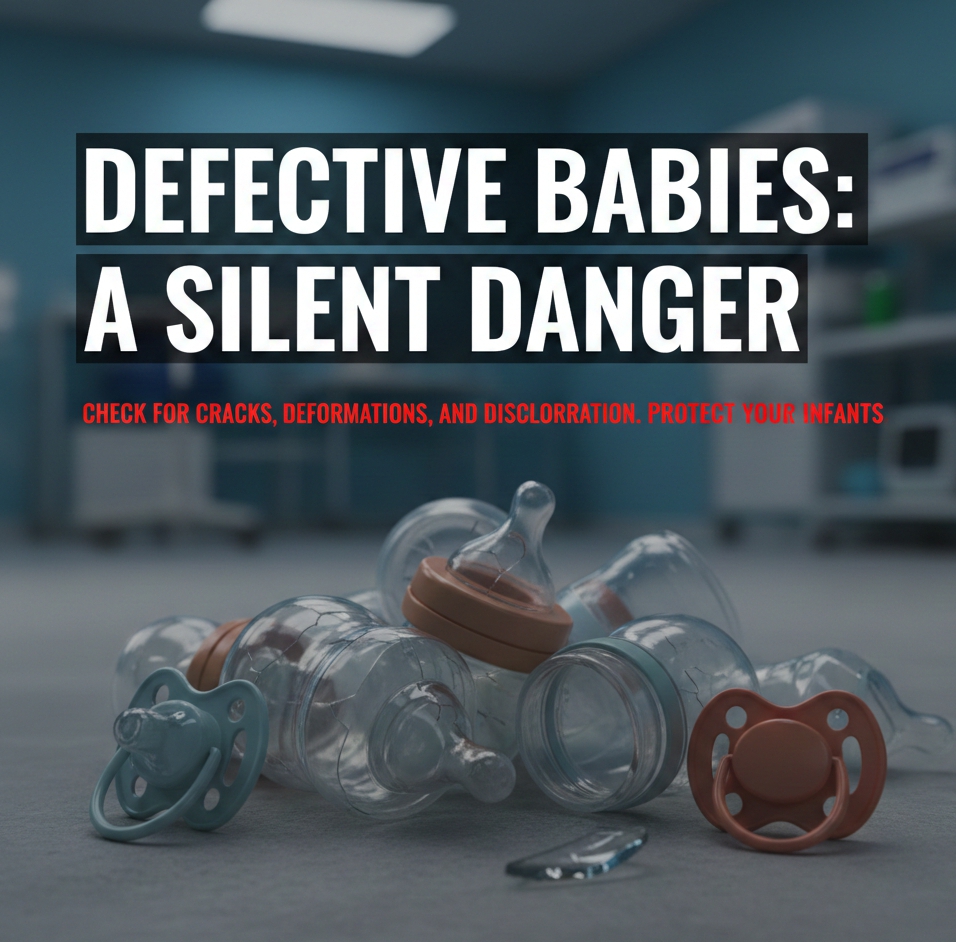
There are so many causes of defective babies. This happens when a baby’s development is affected before birth. Some causes of defective babies includes: genetic changes (like inherited traits or random chromosome differences), infections the mother contracts while pregnant (such as rubella or Zika), exposure to harmful substances (alcohol, some medications, environmental toxins), and certain health conditions in the mother (like poorly controlled diabetes or lack of prenatal vitamins such as folic acid). Many cases have no single clear cause, but understanding these risks helps families take preventive steps and work closely with prenatal care providers.
Furthermore, realizing that Pregnancy is a journey of incredible transformation, helps you caution yourself of practices. From the moment of conception, your body becomes a complex construction site, building a human life from scratch. While the human body is remarkably resilient, the developing fetus is extremely sensitive to the environment provided by the mother—especially the food and drink she consumes.
This article will help you break down the essential foods to embrace and, more importantly, the specific foods and drinks to avoid to give your baby the healthiest start possible.
Understanding the causes of defective babies
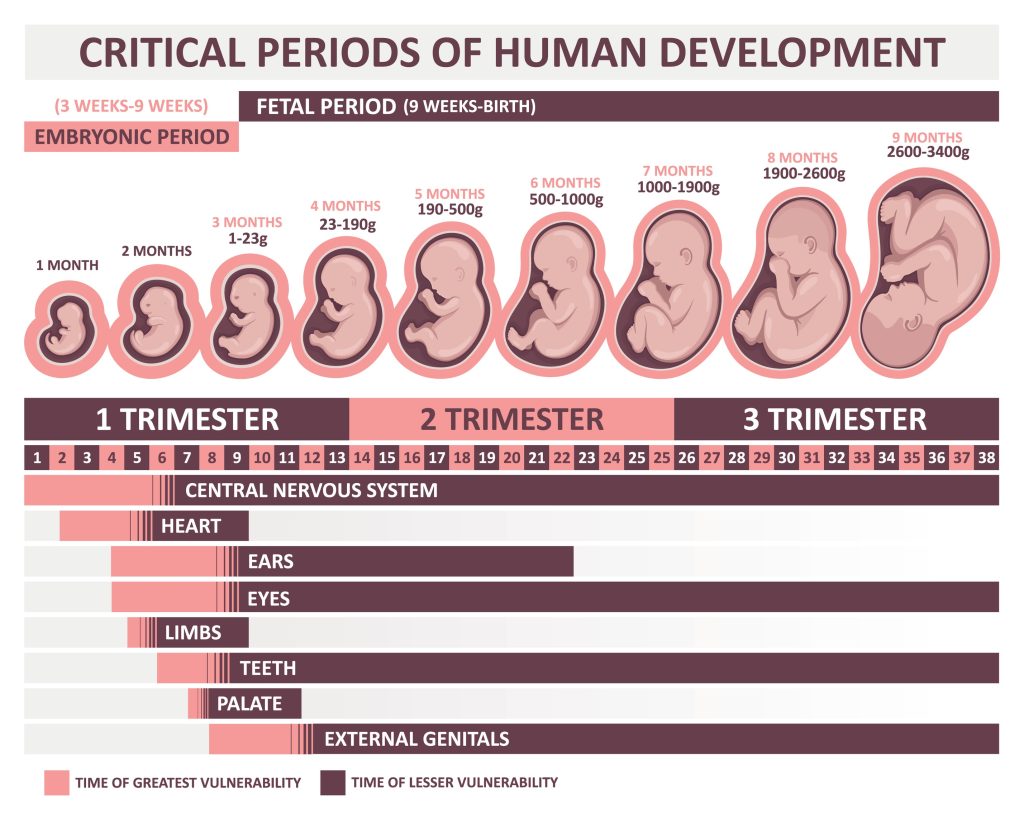
The first trimester is often the most critical period. This is when the basic foundations—the heart, spinal cord, and brain—are formed. Often, this happens before a woman even knows she is pregnant. However, nutrition remains vital throughout all nine months to ensure proper growth and brain development.
1. High-Risk Foods: What to Avoid and Why
If you must know, some foods carry bacteria, parasites, or heavy metals that might only cause a mild stomach ache in an adult but can be devastating to a developing fetus, leading to brain damage, hearing loss, or even miscarriage.
Raw or Undercooked Meat and Poultry
Raw meat (like steak tartare or rare burgers) can harbor parasites like Toxoplasma and bacteria like Salmonella or E. coli.
- The Risk: Toxoplasmosis can cross the placenta. While the mother might feel no symptoms, the baby could develop blindness or intellectual disabilities later in life.
- The Rule: Cook all meat until it is steaming hot and shows no trace of pink.
Deli Meats and Processed Salads
Hot dogs, deli ham, and store-bought chicken salads are notorious for Listeria.
- The Risk: Listeria is one of the few bacteria that can cross the placenta. It can lead to severe neurological issues for the baby or premature birth.
- The Rule: If you crave a deli sandwich, heat the meat until it is steaming hot (to kill the bacteria) before eating.
High-Mercury Fish
Fish is generally great for brain development due to Omega-3 fatty acids, but some large fish contain high levels of methylmercury.
- The Risk: Mercury is a potent neurotoxin. High exposure in the womb can lead to developmental delays and impaired vision or hearing.
- Avoid: Shark, Swordfish, King Mackerel, and Tilefish.
- Limit: Albacore (white) tuna should be limited to 6 ounces per week.
Unpasteurized Dairy and Juices
”Raw” milk or soft cheeses (like Brie, Camembert, or Feta) that haven’t been pasteurized can contain Listeria.
- The Rule: Always check the label for the word “Pasteurized.”
2. Drinks That Pose a Threat
What you drink is just as important as what you eat. The placenta acts as a filter, but it cannot block everything.
Alcohol: The Absolute “No”
There is no known safe amount of alcohol during pregnancy.
- The Risk: Alcohol is a leading cause of preventable birth defects. It leads to Fetal Alcohol Spectrum Disorders (FASD).
- The Impact: Children with FASD may have distinct facial features, small head size, and significant behavioral and learning challenges. Because the brain develops throughout the entire pregnancy, drinking at any stage is risky.
Excessive Caffeine
While you don’t have to give up your morning cup of joe entirely, moderation is key.
- The Risk: High caffeine intake is linked to restricted fetal growth and low birth weight. Low birth weight is a primary risk factor for many chronic conditions later in the baby’s life.
- The Rule: Limit caffeine to under 200mg per day (about one 12-ounce cup of coffee).
3. The Danger of Nutritional Deficiencies
Sometimes, it isn’t what you do eat, but what you don’t eat that causes issues.
The Role of Folic Acid (Vitamin B9)
Folic acid is perhaps the single most important nutrient for preventing birth defects of the brain and spine, known as Neural Tube Defects (NTDs) like Spina Bifida.
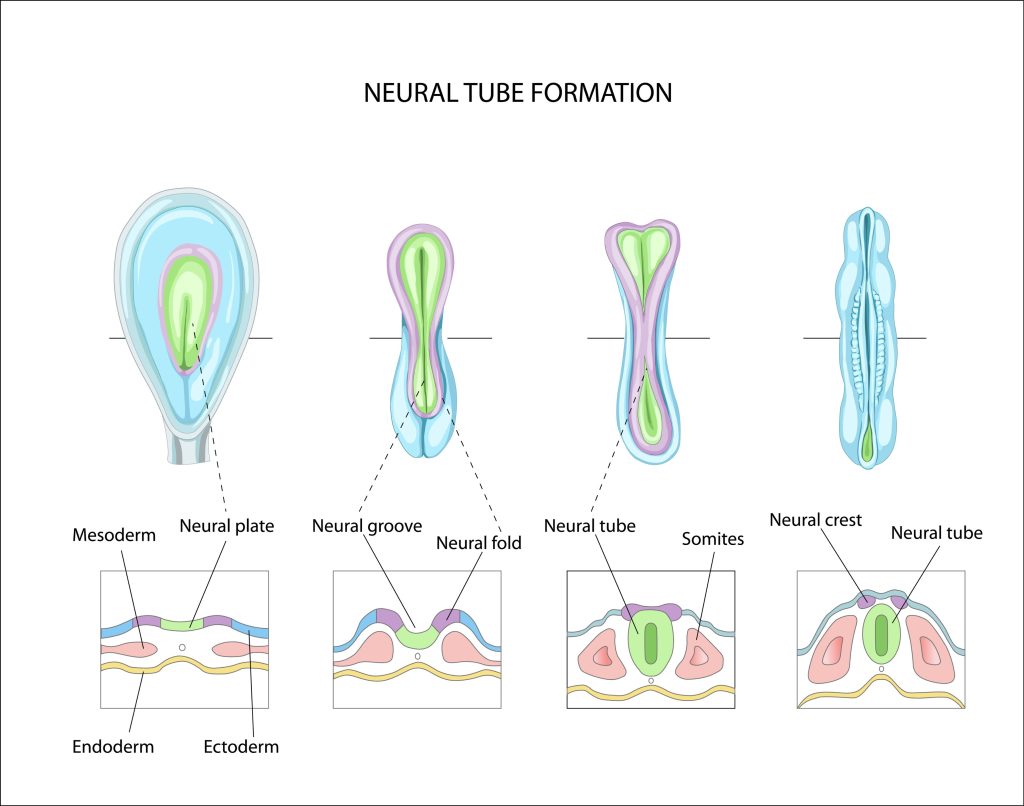
- The Risk: Without enough folic acid, the “tube” that becomes the spine and brain may not close properly in the first few weeks of pregnancy.
- The Fix: Take a prenatal vitamin with at least 400mcg of folic acid and eat leafy greens, beans, and fortified cereals.
4. Simple Safety Summary Table
| Category | Avoid/Limit | Safer Alternative |
|---|---|---|
| Seafood | High-mercury fish (Swordfish) | Salmon, Shrimp, Pollock |
| Meat | Raw/Rare meat, cold deli meats | Well-done steak, heated deli meats |
| Dairy | Unpasteurized (Raw) milk/cheese | Pasteurized milk, Hard cheeses |
| Beverages | Alcohol, Excessive Caffeine | Water, Herbal tea (check types), Milk |
| Eggs | Raw or “runny” yolks | Hard |
5. Environmental and Lifestyle Factors
Beyond just food, “defective” outcomes can be triggered by:
- Vitamin A Overdose: While Vitamin A is good, excessive amounts from supplements (retinol) can cause birth defects. Stick to the amounts in prenatal vitamins.
- Unwashed Produce: Always wash fruits and vegetables thoroughly to remove dirt that might contain Toxoplasma.
Conclusion
The goal of a pregnancy diet isn’t perfection; it’s protection. By avoiding high-risk bacteria in raw foods, eliminating alcohol, and ensuring a steady intake of folic acid, you are significantly lowering the risk of birth defects. Your body is doing the hard work of building a life—your job is to provide the high-quality, safe materials it needs to finish the job.




 Doctor Brandy Harmon