
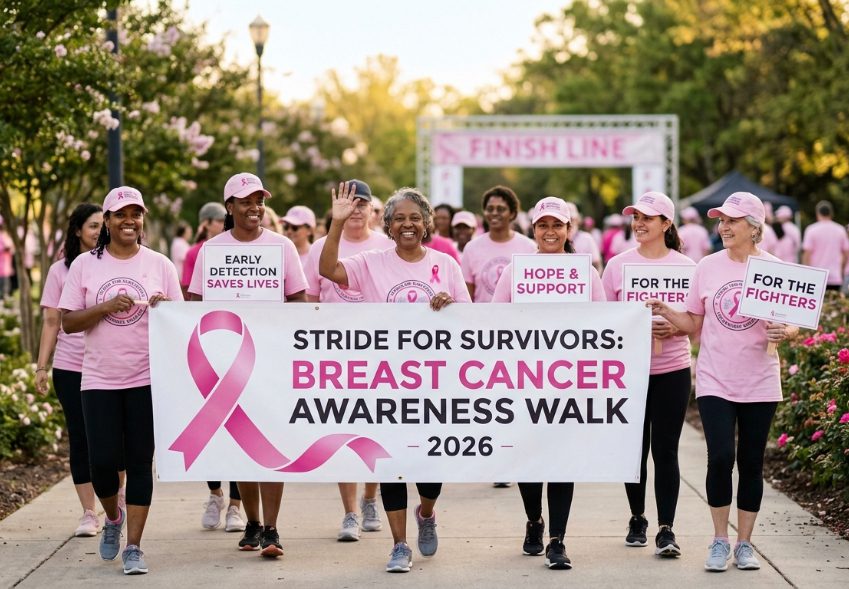
Best Treatment Centers for Breast Cancer In Nigeria (2026): As breast cancer remains one of the most significant health challenges for women in Nigeria, the landscape of oncology (cancer care) has transformed remarkably over the last few years. In 2026, patients no longer have to look solely outside the country for world-class care. From advanced radiotherapy in Lagos to specialized surgical teams in Ibadan and Abuja, Nigeria now hosts facilities equipped with the latest technology and expert medical professionals.
When battling breast cancer, the “best” hospital is one that offers a multidisciplinary approach. This is where surgeons, oncologists, radiologists, and nurses work together as a single team.
This article provides an in-depth look at the top facilities for breast cancer care in Nigeria as of 2026. Choosing a hospital is a deeply personal and critical decision; this guide aims to simplify that process by highlighting the most reliable options available today.
Which hospitals is best for treating Breast cancer in Nigeria?
Just as many hospitals are now equipped to treat breast cancer, there are giants in the game, within Nigeria. Some of these hospitals includes:
1. NSIA-LUTH Cancer Centre (Lagos)
Located within the Lagos University Teaching Hospital (LUTH) in Idi-Araba, the NSIA-LUTH Cancer Centre is arguably the most advanced public-private partnership facility in West Africa.
Why it stands out:
- Precision Technology: It houses multiple Linear Accelerators (LINACs) for external beam radiotherapy, ensuring that radiation is targeted directly at the tumor while sparing healthy tissue.
- High Patient Volume: Because it serves thousands of patients annually, the clinical team has immense experience with diverse and complex cases.
- Affordability: As a partnership with the Nigeria Sovereign Investment Authority (NSIA), it offers world-class care at a more accessible price point compared to fully private international clinics.
2. Marcelle Ruth Cancer Centre & Specialist Hospital (Lagos)
For those seeking a “one-stop-shop” private experience, Marcelle Ruth in Victoria Island is the gold standard. Established with the vision of bringing European-standard care to Nigeria, it eliminates the need for “medical tourism.”
Why it stands out:
- Comprehensive Care: Everything from initial screening (mammography) and pharmacy to chemotherapy and surgery is located under one roof.
- Imaging Excellence: They utilize high-resolution PET-CT scans and 3D mammography, which are crucial for the early detection and accurate staging of breast cancer.
- Patient Comfort: The facility is designed to feel less like a traditional hospital and more like a healing center, focusing heavily on the psychological well-being of the patient.
3. National Hospital Abuja (FCT)
As the nation’s flagship medical facility in the capital, the National Hospital has long been a leader in oncology.
Why it stands out:
- Radiotherapy Hub: It was one of the first centers in Nigeria to consistently maintain functional radiotherapy equipment, making it a reliable destination for patients in Northern and Central Nigeria.
- Specialized Nursing: The hospital host a School of Post-Basic Oncology Nursing, meaning the bedside care is provided by nurses who are specifically trained in the nuances of cancer treatment and chemotherapy side-effect management.
4. University College Hospital (UCH), Ibadan
UCH Ibadan is the “grandmaster” of medical training in Nigeria. Its Department of Radiation Oncology is world-renowned for research and clinical excellence.
Why it stands out:
- Expertise and Research: UCH often leads national clinical trials. If you are looking for doctors who “wrote the textbook” on Nigerian oncology, you will find them here.
- Multidisciplinary Tumor Boards: Complex cases are reviewed by a panel of experts including pathologists, radiologists, and surgeons to determine the most effective treatment plan.
5. Lakeshore Cancer Center (Lagos)
Lakeshore was the first operational facility in Nigeria solely dedicated to cancer care. They have a strong partnership with the Roswell Park Comprehensive Cancer Center in the USA.
Why it stands out:
- International Standards: Their protocols strictly follow global NCCN guidelines, ensuring that the treatment you receive in Lagos is the same as what you would receive in Buffalo, New York.
- Support Groups: They place a heavy emphasis on survivorship and offer robust support groups for breast cancer patients.
Comparing the Options: At a Glance
| Hospital | Type | Key Strength | Location |
|---|---|---|---|
| NSIA-LUTH | PPP (Public-Private) | High-tech Radiotherapy | Lagos (Mainland) |
| Marcelle Ruth | Private | Premium Diagnostic Imaging | Lagos (Island) |
| National Hospital | Public | Regional Access/Specialized Staff | Abuja |
| UCH Ibadan | Public | Academic & Surgical Expertise | Ibadan |
| Lakeshore | Private | International Protocol/Screening | Lagos |
What should I consider when searching for best hospitals for treating cancer in Nigeria?
When selecting a hospital for breast cancer treatment, consider the following “Big Three” factors:
1. The Multidisciplinary Team (MDT)
Cancer isn’t treated by one doctor. Ensure your hospital has a team that includes:
- Surgical Oncologist: To remove the tumor.
- Medical Oncologist: To manage chemotherapy and hormone therapy.
- Radiation Oncologist: To oversee radiation treatment.
- Pathologist: To analyze the specific “type” of breast cancer (e.g., HER2-positive or Triple Negative).
2. Available Technology
In 2026, technology is the backbone of survival. Check if the hospital has a Linear Accelerator (LINAC) for radiation. Older “Cobalt-60” machines are still used in some places, but LINACs are much more precise and have fewer side effects.
What is the newest treatment for breast cancer in 2026?
While these hospitals offer incredible care, the most successful outcomes in 2026 come from early detection. However, there are newest treatments available for breast cancer in 2026, they includes:
1. The ADC Revolution (Antibody-Drug Conjugates)
ADCs are currently the most significant advancement. They combine a lab-made antibody (which finds the cancer) with a potent chemotherapy “payload.”
- Trastuzumab Deruxtecan (Enhertu): In 2026, this is now a standard first-line treatment for both HER2-positive and HER2-low breast cancer. It has radically reshaped survival rates for patients previously considered difficult to treat.
- Sacituzumab Govitecan (Trodelvy): New 2026 data (ASCENT-04 study) shows that combining this ADC with immunotherapy (Pembrolizumab) significantly improves outcomes for Triple-Negative Breast Cancer (TNBC), becoming a preferred first-line option.
- Trastuzumab Rezetecan (SHR-A1811): A next-generation ADC showing high efficacy in patients who have already tried other HER2-targeted therapies.
2. Next-Generation Oral Therapies (SERDs)
Patients with hormone-positive (HR+) breast cancer now have more oral options, reducing the need for hospital-based injections.
- Inavolisib + Palbociclib: This new combination therapy was shown in late 2025/early 2026 to delay the need for chemotherapy by nearly two years in patients with PIK3CA mutations.
- Imlunestrant (Inluriyo™): Approved in late 2025, this oral SERD is used for advanced HR+ breast cancer that has developed resistance to traditional hormone therapies like Tamoxifen.
- Atirmociclib: An investigational agent showing positive results in 2026 for second-line metastatic breast cancer treatment.
3. “Liquid Biopsy” & Dynamic Biomarkers
The way doctors monitor cancer has changed. Instead of painful tissue biopsies, ctDNA (circulating tumor DNA) tests are now used to:
- Detect Recurrence Early: These blood tests can find “molecular” traces of cancer months before a tumor is visible on an MRI or CT scan.
- Adjust Treatment in Real-Time: If the ctDNA shows a new mutation, doctors can switch the medication immediately rather than waiting for the current treatment to fail.
4. AI-Driven Precision Medicine
AI is no longer just for screening; it is now a core part of the treatment plan.
- Caris AI Insights: New AI signatures (released March 2026) can now predict the risk of breast cancer spreading to the brain, allowing doctors to start preventative treatments or more frequent monitoring earlier.
- RNA Disruption Assay (RDA): This new lab test uses AI to analyze how a tumor responds to chemo after just one or two doses, letting patients stop ineffective treatments sooner.
5. Surgical Innovations
- Breast Cancer Locator (BCL): A new device being adopted in 2026 for partial mastectomies. It creates a 3D “map” of the tumor boundaries, helping surgeons remove the cancer more precisely while preserving as much healthy breast tissue as possible
- Self-Exams: Check yourself monthly for lumps or changes.
- Mammograms: If you are over 40, or have a family history of cancer, an annual mammogram is non-negotiable.
- Genetics: Modern facilities like Marcelle Ruth now offer BRCA gene testing to determine your genetic risk.
How do Antibody-Drug Conjugates (ADCs) work?
An ADC is composed of three critical parts:
- The Antibody: The “homing device” that looks for a specific protein (target) found only on cancer cells.
- The Payload: A potent chemotherapy drug (the “warhead”) that is too strong to be given on its own.
- The Linker: The “lock” that holds the drug to the antibody until it reaches the target.
The 4-Step Process of How They Work
1. Targeting (The Search)
The ADC is injected into the bloodstream. The antibody part of the drug circulates until it finds a cancer cell expressing the specific protein it was designed to fit into (like a key fitting into a lock). It ignores healthy cells that don’t have that “lock.”
2. Binding and Internalization (The Entry)
Once the antibody attaches to the cancer cell’s surface, the cell “swallows” the ADC through a process called endocytosis. The ADC is now safely inside the cancer cell, still held together by the linker.
3. Release (The Detonation)
Once inside the cell’s “disposal center” (the lysosome), the acidic environment or specific enzymes trigger the linker to break. This releases the high-potency chemotherapy payload directly into the center of the cancer cell.
4. Cell Death (The Result)
The chemotherapy drug destroys the cancer cell from the inside out. Because the drug was “hidden” by the antibody while traveling through the blood, it causes significantly less damage to the rest of the body.
Why this is a Breakthrough for 2026
In 2026, the big news is the “Bystander Effect.” Newer ADCs are designed so that once they kill the primary cancer cell, the “payload” can leak out slightly to kill neighboring cancer cells that might have been hiding or didn’t have the specific “lock.” This makes the treatment effective even against tumors that aren’t uniform.
What is the cost of treating breast cancer in Nigeria?
The cost of cancer care is typically split into three main phases: Surgery, Chemotherapy, and Radiotherapy. In 2026, the average total cost for a full course of treatment in Nigeria ranges from ₦5,000,000 to ₦15,000,000, depending on the hospital and the severity of the case.
1. Surgery (Mastectomy)
This is often the first step to remove the tumor.
- Public Hospitals: ₦250,000 – ₦600,000
- Private Hospitals: ₦1,300,000 – ₦4,500,000 (Complex surgeries like Modified Radical Mastectomy are on the higher end).
2. Chemotherapy (Per Cycle)
Most patients require 6 to 8 cycles.
- Public Hospitals: ₦150,000 – ₦400,000 per cycle.
- Private Hospitals: ₦600,000 – ₦1,600,000 per cycle.
- Note: Specialized targeted drugs (like Trastuzumab) can cost an additional ₦300,000+ per month.
3. Radiotherapy (Full Course)
- Public/PPP Centers: ₦600,000 – ₦1,500,000
- Private Centers: ₦2,000,000 – ₦3,500,000
How much does it Cost to treat Breast Cancer in Nigeria?
While prices are relatively similar across the country, logistics and hospital choice in major hubs like Lagos and Abuja can drive the “average” higher.
| State | Hub City | Estimated Average Total Cost (NGN) |
|---|---|---|
| Lagos | Ikeja / VI | ₦5,000,000 – ₦12,000,000 |
| FCT | Abuja | ₦5,300,000 – ₦11,500,000 |
| Rivers | Port Harcourt | ₦5,100,000 – ₦10,000,000 |
| Oyo | Ibadan | ₦4,800,000 – ₦9,500,000 |
| Kano | Kano City | ₦4,500,000 – ₦9,000,000 |
| Enugu | Enugu City | ₦4,200,000 – ₦8,500,000 |
Financial Support for breast cancer in Nigeria
Financial Support & Insurance Because these costs are high, the Nigerian government and partners have introduced several 2026 initiatives to help patients:The Cancer Health Fund (CHF): A government initiative providing up to ₦1,000,000 in aid for indigent patients at designated centers like LUTH and National Hospital Abuja.NHIA Oncology Care: In 2026, the National Health Insurance Authority (NHIA) has expanded its partnership with pharmaceutical companies (like Roche). In some teaching hospitals, the “Cost Sharing” model means the patient pays only 20% of the drug costs. Radiotherapy Subsidies: Some federal centers offer subsidies of up to ₦400,000 for radiation treatment to help reduce the out-of-pocket burden.
Hospitals Partnered with NHIA for Cancer Care (2026)
As of early 2026, the NHIA has expanded this initiative to 24 pilot centers across the six geopolitical zones. Below are the key hospitals where patients can access these subsidies:
South-West
- Lagos University Teaching Hospital (LUTH), Idi-Araba: A major hub for the NSIA-LUTH Cancer Centre.
- Federal Medical Centre (FMC), Ebute Metta, Lagos: Recently onboarded to expand access in Lagos.
- University College Hospital (UCH), Ibadan: A primary center for academic and clinical oncology.
- Obafemi Awolowo University Teaching Hospital (OAUTH), Ile-Ife: Now equipped with advanced diagnostic machines under this partnership.
- Federal Medical Centre (FMC), Abeokuta: Officially flagged off for expanded screening and treatment in February 2026.
South-South
- University of Port Harcourt Teaching Hospital (UPTH): A focal center for Rivers State and the Niger Delta.
- University of Benin Teaching Hospital (UBTH): Features a newly commissioned ultra-modern oncology center.
- University of Calabar Teaching Hospital (UCTH): Serving the Cross River and Akwa Ibom axis.
South-East
- University of Nigeria Teaching Hospital (UNTH), Enugu: Home to a newly commissioned oncology center with Halcyon technology.
- Federal Teaching Hospital (FTH), Owerri: Recently onboarded in partnership with the American Cancer Hospital, Ikeduru.
North-Central
- National Hospital, Abuja: The primary flagship center for the FCT and Northern Nigeria.
- University of Abuja Teaching Hospital (UATH), Gwagwalada: Expanded to handle the high volume in the capital.
- University of Ilorin Teaching Hospital (UITH): A key partner for subsidized oncology care in Kwara State.
- Jos University Teaching Hospital (JUTH): Actively providing 80% subsidies on high-cost oncology drugs.
North-West & North-East
- Aminu Kano Teaching Hospital (AKTH), Kano: The main hub for subsidized care in the North-West.
- Ahmadu Bello University Teaching Hospital (ABUTH), Zaria: A long-standing “Center of Excellence.”
- Federal Teaching Hospital (FTH), Katsina: Newly commissioned with a TrueBeam Linear Accelerator.
- University of Maiduguri Teaching Hospital (UMTH): Recently upgraded to a full-scale oncology center.
- Federal Teaching Hospital (FTH), Gombe: A critical access point for the North-East region.
How to Access the NHIA Subsidy
- Be an Enrollee: You must be registered under the NHIA (either through your employer or the informal sector “GIFSHIP” program).
- Visit a “Center of Excellence”: Only the designated hospitals listed above can process the Roche/NHIA cost-sharing drug discounts.
- Cancer Health Fund (CHF) for the Uninsured: If you are not insured and are considered “indigent” (low-income), you can apply for the Cancer Health Fund at these same federal hospitals to receive up to ₦1,000,000 in treatment credit.
How to Register for NHIA (GIFT SHIP) for Breast Cancer Coverage
If you or a loved one are not currently under a government or corporate health plan, follow these steps to access subsidized cancer treatment in 2026.
Step 1: Visit the NHIA Website or Local Office
Go to the official NHIA (National Health Insurance Authority) portal or visit any of the State Offices (located in all 36 state capitals, including the Port Harcourt office for those in Rivers State).
Step 2: Choose the “GIFT SHIP” Program
The Group, Individual, and Family Social Health Insurance Program (GIFT SHIP) is designed for individuals, families, and small groups. It allows you to pay a flat premium to access the same oncology benefits as government workers.
Step 3: Select a “Center of Excellence” as Your Provider
When registering, you must select one of the designated Oncology Centers of Excellence (like LUTH, UPTH, or National Hospital Abuja) as your primary or secondary healthcare provider to access the Roche-NHIA 80% drug subsidy.
Step 4: Pay the Annual Premium
As of 2026, the individual premium for GIFT SHIP is approximately ₦45,000 per year. While this doesn’t cover the full cost of cancer care, it unlocks the Cancer Health Fund (CHF) and the massive discounts on chemotherapy drugs.
Step 5: Activation and Referral
After a waiting period (usually 30 to 60 days), your plan becomes active. If you are already diagnosed, you will need a referral from a primary provider to the oncology department of your chosen teaching hospital.
The Cancer Health Fund (CHF) Application
For patients who cannot afford the ₦45,000 premium or the 20% co-pay, the Cancer Health Fund provides a safety net.
- Visit the Social Welfare Office: Every Federal Teaching Hospital has a Social Welfare department.
- Assessment: They will conduct a “means test” to verify financial need.
- Registration on the CHF Portal: The hospital will help you register on the national CHF database.
- Credit Allocation: Once approved, a credit of up to ₦1,000,000 is linked to your patient ID to cover surgery, drugs, and radiation at that specific hospital.
Frequently Asked Questions (FAQs) About Breast Cancer in Nigeria
1. Is breast cancer curable in Nigeria?
Yes. Breast cancer is highly curable, especially when detected in Stages 1 or 2. In 2026, Nigeria has some of the best oncology equipment in West Africa. The survival rate is significantly higher for women who present early to a hospital rather than seeking alternative, non-medical treatments first.
2. What are the first warning signs I should look for?
The most common sign is a painless lump in the breast or armpit. Other signs include:
- Changes in the size or shape of the breast.
- Dimpling or puckering of the skin (looks like an orange peel).
- A nipple that has turned inward (inverted).
- Unusual discharge from the nipple (other than breast milk).
3. Can I get breast cancer if no one in my family has had it?
Yes. In fact, about 85% to 90% of women diagnosed with breast cancer have no family history of the disease. It is often caused by genetic mutations that happen over time due to aging and lifestyle factors, rather than being inherited from parents.
4. How much does a mammogram cost in Nigeria in 2026?
- Public Hospitals: ₦15,000 – ₦30,000.
- Private Diagnostic Centers: ₦40,000 – ₦85,000.
- Note: Many states offer free screening during “Pink October” (Breast Cancer Awareness Month).
5. Does sugar cause breast cancer?
No. There is no direct evidence that eating sugar causes breast cancer. However, a high-sugar diet can lead to weight gain and obesity, which is a known risk factor for developing various types of cancer.
6. Will I lose my hair during treatment?
Hair loss is a common side effect of chemotherapy, but it is almost always temporary. Your hair usually begins to grow back 3 to 6 months after your last chemotherapy session. Radiation therapy typically only causes hair loss on the specific part of the body being treated.
7. Does wearing a bra or carrying a phone in my bra cause cancer?
No. There is currently no scientific evidence that underwire bras or radio waves from cell phones cause breast cancer.
8. Can men get breast cancer?
Yes. While it is rare (accounting for about 1% of all cases), men do have breast tissue and can develop breast cancer. Men should also report any unusual lumps in their chest area to a doctor immediately.
9. Can a blood test detect breast cancer recurrence early?
Yes, in 2026, the answer is a definitive yes. These tests, often called “Liquid Biopsies,” are now a major part of post-treatment care. They can identify a “molecular recurrence”—the presence of tiny fragments of cancer DNA—months or even over a year before a tumor is large enough to show up on a traditional CT, MRI, or PET scan.



 Doctor Brandy Harmon
The focus on multidisciplinary care really stands out. Highlighting these specialized centers can make a huge difference for patients trying to navigate treatment options in Nigeria, especially as local expertise continues to grow.
I really appreciate this guide, especially the focus on multidisciplinary care. In my experience, having a team approach makes the whole process less overwhelming, and it’s wonderful that more centers in Nigeria are adopting this model.
This is a really helpful overview, especially the emphasis on multidisciplinary care—it’s something many patients might not realize is so important when choosing a treatment center. It’s encouraging to see how much Nigeria’s oncology infrastructure has improved, reducing the need for medical travel abroad. It would also be interesting to include insights on affordability or access to these centers for patients in more rural areas.