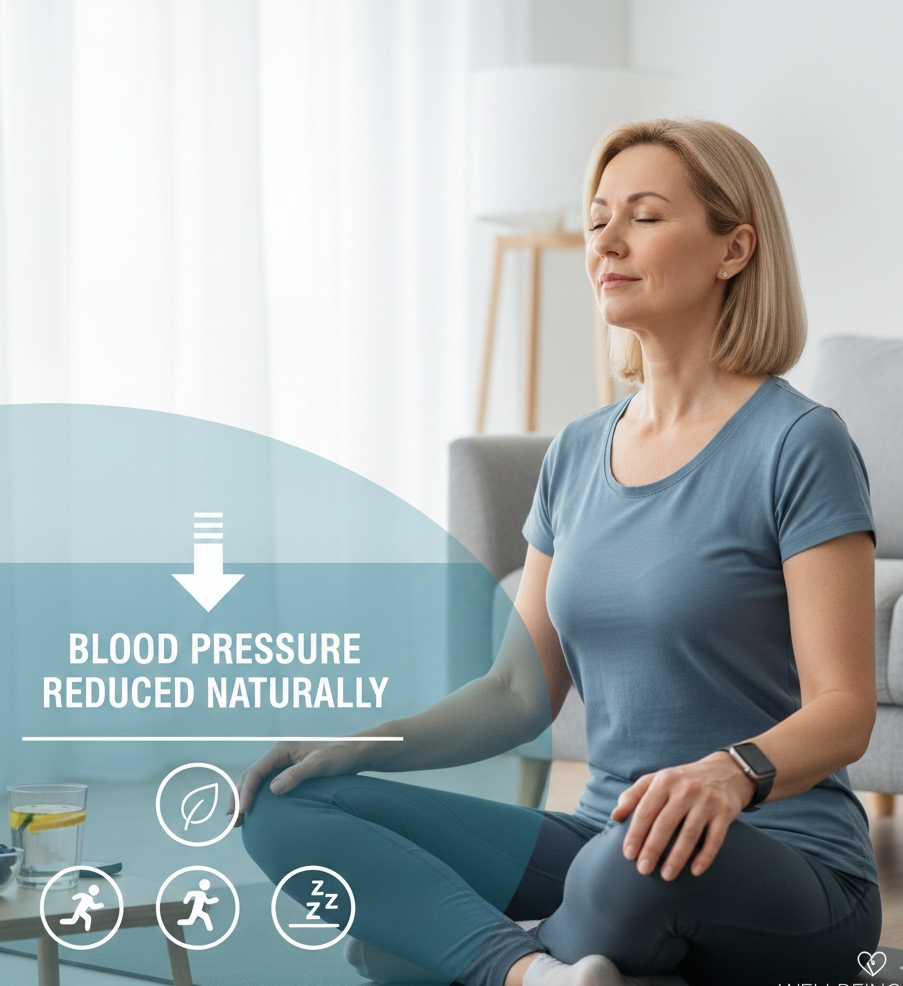
How to reduce high blood pressure, can be handled naturally through physical exercises. The good news is that some of these workouts could be done indoors, without visiting the gym or any gym instructor.
Without thinking twice, it has been established over time, that hhigh blood pressure, or hypertension, remains a “silent killer” because it typically offers no warning signs while it quietly damages the cardiovascular system. However, one of the most potent prescriptions for this condition isn’t found in a pharmacy—it’s found in your sneakers.
The medical community in 2026 has brought up a new understanding of exercise and blood pressure, which has created a shift. While “cardio” was once the sole recommendation, recent meta-analyses have revealed that a diverse mix of movements—including some where you don’t move at all—can be significantly more effective.
Without must hesitation, let us know look into some of the10 science-backed workouts designed to strengthen your heart and naturally lower your blood pressure.
1. Isometric Wall Sits (Wall Squats)
In a surprising turn for modern sports science, isometric exercises—where muscles contract without changing length—have emerged as the single most effective way to lower systolic blood pressure.
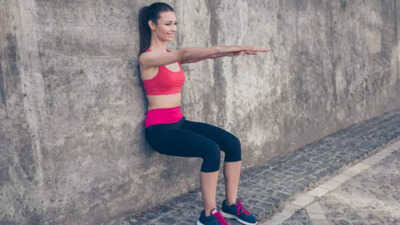
How it works: When you hold a wall sit, the sustained muscle contraction temporarily restricts blood flow. Upon release, a “flush” of blood triggers the production of nitric oxide, a natural vasodilator that relaxes and widens the arteries.
- The Routine: Stand with your back against a wall and slide down until your thighs are parallel to the floor. Hold for 2 minutes. Rest for 2 minutes. Repeat 4 times.
- Frequency: 3 times per week.
2. Brisk Walking
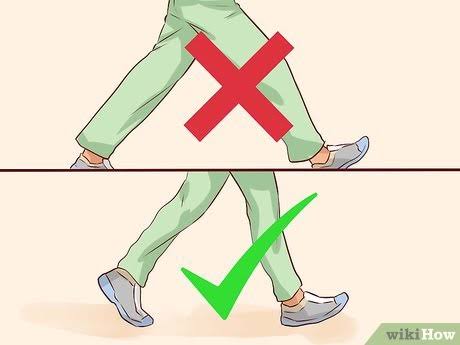
Commonly known as trekking in Nigeria and other parts of the world, walking remains the gold standard for accessibility. The key is the “brisk” pace—enough to raise your heart rate but still allow you to carry on a conversation. Research indicates that breaking your walk into three 10-minute sessions throughout the day can actually be more effective at preventing blood pressure “spikes” than one long 30-minute trek.
3. Isometric Handgrip Training
If you have a desk job or limited mobility, this is your secret weapon. Using a simple handgrip strengthener or even a tennis ball, you can perform a workout that significantly reduces resting blood pressure.
- The Routine: Squeeze the grip at about 30% of your maximum strength for 2 minutes. Rest for 2 minutes. Switch hands. Repeat 4 times per hand.
4. Cycling (Outdoor or Stationary)
Just as casual as it may seem, cycling, remains and game changer, for the treatment of heart related issues. This is because cycling is a rhythmic, aerobic exercise that uses the body’s largest muscle groups (the legs). This large-scale demand for oxygen forces the heart to pump more efficiently, eventually lowering the force exerted on your artery walls.
5. Swimming and Water Aerobics
Once in a while, whether or not, one has heart related issues, it is recommended to often visit the swimming pool. Over the the years, swimming has particularly become beneficial for older adults or those with joint pain. The hydrostatic pressure of the water assists blood flow back to the heart, while the aerobic effort strengthens the cardiac muscle. Studies have shown that regular swimming can lower systolic blood pressure by an average of 9 points in hypertensive individuals.
6. High-Intensity trainings
While traditional steady-state cardio is excellent, HIIT—short bursts of intense activity followed by rest—can lead to faster improvements in “arterial stiffness.” By challenging the heart to recover quickly from intense effort, you improve the flexibility of your blood vessels.
- Example: 30 seconds of fast sprinting (or vigorous pedaling) followed by 90 seconds of slow walking. Repeat 6–8 times.
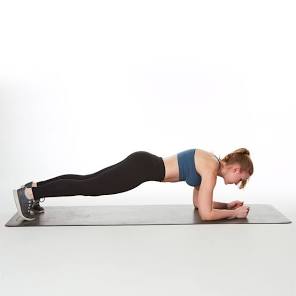
7. Planks
The planks exercise is also another means of training the heart to do better. Like the wall sit, this is also an essential means of reducing high blood pressure. This is because, It engages the core and creates sustained tension throughout the body. Because you must breathe steadily while maintaining the hold, it also trains your autonomic nervous system to stay calm under physical stress.
8. Resistance Band Training
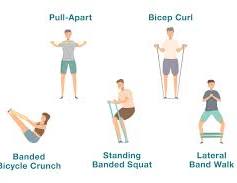
Unlike before, strength training is no longer discouraged for hypertension; in recent times, the American Heart Association (AHA) recommended it twice a week. Resistance bands are safer than heavy free weights for many because they don’t cause the same dramatic, sudden spikes in pressure that heavy “max-effort” lifting can.
9. Yoga
Yoga could drastically reduce Hypertension, of dome in the proper manner, and guided. This is because hypertension isn’t just a physically related issue but is often linked to the nervous system. Yoga and Tai Chi combine low-impact movement with deep, controlled breathing. This activates the parasympathetic nervous system (the “rest and digest” mode), which directly counters the “fight or flight” response that keeps blood pressure high.
10. Stair Climbing
This remains one of the most easiest way of regulating your blood pressure. This is due to the fact that one could easily locate a stairway, either of work, or at home. Just as simple as it may seem, it goes a lot and way, helping the heart to overcome some issues. Regularly climbing stairs is a form of “incidental” vigorous activity. It combines the benefits of resistance training (building leg power) with a sudden aerobic challenge, making it a highly efficient way to improve cardiovascular health over time.
Proof for Exercise
One of the basic reason why exercise remains necessary for treatment blood pressure issues is because, when you exercise, your heart becomes stronger. A stronger heart can pump more blood with less effort. If your heart can work less to pump, the force on your arteries decreases, lowering your blood pressure reading.
Important Safety Guidelines
Before considering to begin the indoor practices, in other to reduce high blood pressure, most eespecially if you have been diagnosed with hypertension, keep these three rules in mind:
- The “Talk Test”: You should be able to speak while exercising. If you’re too breathless to talk, you’re pushing too hard.
- Don’t Hold Your Breath: Holding your breath during exertion (the Valsalva maneuver) can cause a dangerous, sudden spike in blood pressure. Always exhale during the “work” phase of an exercise.
- Consistency is King: The blood-pressure-lowering effects of exercise generally last for 24 hours. To maintain the benefits, you must be active most days of the week.





 Doctor Brandy Harmon