
Causes of Frequent urination and treatments: The need to go to the toilet more often than usual, is a common experience that can range from a minor annoyance during a long commute on the Third Mainland Bridge to a sign of an underlying health condition. While it is often joked about in social circles, understanding why it happens is crucial for maintaining long-term wellness.
In a fast-paced environment where we are constantly on the move, whether navigating the bustling markets of Onitsha, attending a lengthy wedding ceremony in Enugu, or working late in a high-rise office in Lagos; knowing how our bodies function helps us stay in control.
What is Frequent Urination?
Most people urinate between four and eight times a day. If you find yourself needing to go more than eight times, or waking up multiple times throughout the night (a condition called nocturia), you are experiencing frequent urination. This is different from urinary incontinence, which is the involuntary leaking of urine. Frequent urination simply means the bladder fills up quickly or feels like it is full even when it isn’t.
Common Causes of constant urination in Nigeria
Our daily habits and the Nigerian climate play a significant role in how often we visit the restroom.
The Heat and Hydration Balance
Nigeria is known for its tropical climate. In cities like Maiduguri or during the heatwaves in Port Harcourt, the body loses significant fluids through sweat. Naturally, we drink more water to stay hydrated. While drinking 2–3 liters of water is healthy, the timing matters. If you gulp down a sachet of “pure water” or a bottle of chilled water right before bed, your kidneys will process it while you sleep, leading to frequent nighttime trips.
The “Owanbe” Culture and Social Drinking
Our social life is vibrant. At a typical Saturday party, guests are served a variety of beverages. Soft drinks, sweetened juices, and alcoholic beverages (like beer or palm wine) are staples.
- Alcohol: It is a diuretic, meaning it forces the kidneys to release more water.
- Caffeine: Many professionals in Abuja rely on coffee or tea to stay sharp. Caffeine irritates the bladder wall and acts as a stimulant, increasing the urgency to go.
Spicy Foods and Diet
Nigerian cuisine is celebrated for its bold flavors. However, the peppers (atare or shombo) used in soups like Pepper Soup or spicy Jollof rice can act as bladder irritants for some people. When the bladder lining is irritated, it may signal a need to empty itself even if it isn’t full.
What are The Common Medical Causes of Freequent Urination
Beyond what we eat and drink, several medical conditions can lead to an overactive bladder.
Diabetes Mellitus
This is perhaps one of the most significant causes of frequent urination globally and in Nigeria. When blood sugar levels are high, the kidneys work overtime to filter and absorb the excess glucose. When they can’t keep up, the glucose is excreted into the urine, pulling fluids from your tissues along with it. This leaves you thirsty (polydipsia) and urinating frequently (polyuria).
Urinary Tract Infections (UTIs)
UTIs are common, especially among women. Bacteria can enter the urinary system, causing inflammation of the bladder (cystitis). This inflammation creates a persistent “urge” to go, even if only a few drops come out. In crowded urban areas where public toilet hygiene can be a challenge, maintaining personal hygiene is essential to prevent these infections.
Prostate Issues in Men
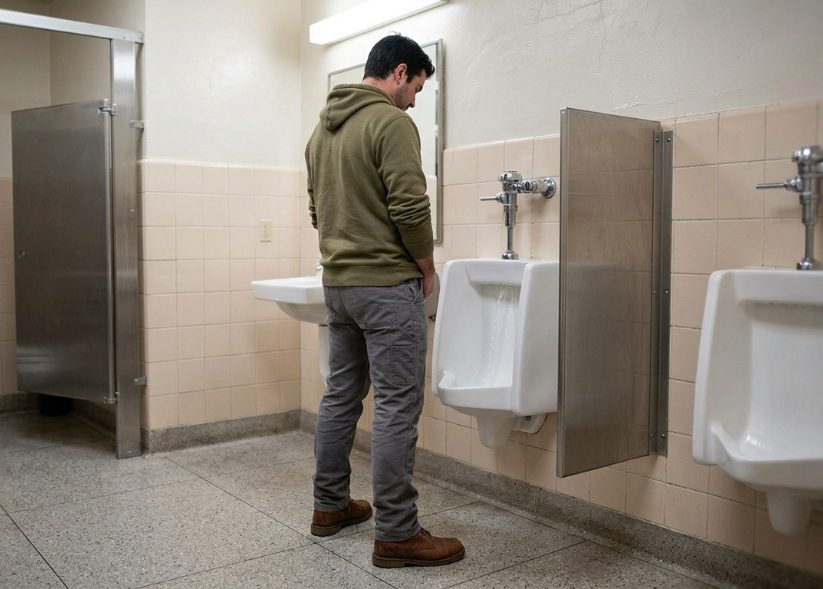
As men age, the prostate gland—which surrounds the urethra—can enlarge. This is known as Benign Prostatic Hyperplasia (BPH). An enlarged prostate squeezes the urethra, making it difficult for the bladder to empty completely. Because the bladder never truly empties, it fills up again very quickly, leading to frequent trips, especially at night.
Pregnancy
For women, pregnancy is a natural cause of frequent urination. In the first trimester, hormonal changes increase blood flow to the kidneys. In the third trimester, the growing baby sits directly on the bladder, reducing its capacity to hold urine.
Environmental and Structural Factors
The Stress of the Commute
Stress and anxiety can actually trigger the need to urinate. If you are stuck in a three-hour “go-slow” on the Lekki-Epe Expressway, the anxiety of not having access to a restroom can sometimes make the bladder feel fuller than it actually is. This “nervous bladder” is a psychological response where the body’s “fight or flight” system affects muscle tension around the bladder.
Public Infrastructure and Sanitation
In many parts of Nigeria, the lack of clean, accessible public restrooms leads people to “hold it” for long periods. Consistently holding urine can weaken the bladder muscles over time or lead to infections, both of which eventually contribute to frequency issues.
When To See A Doctor
While frequent urination is often linked to drinking too much tea or water, certain “red flags” suggest it’s time to see a healthcare professional:
- Pain or Burning: If urinating is painful, it usually indicates an infection.
- Blood in Urine: This should never be ignored and requires immediate medical attention.
- Unquenchable Thirst: If you are drinking water constantly but your mouth still feels dry, it could be a sign of diabetes.
- Fever and Back Pain: This could suggest that a bladder infection has spread to the kidneys.
- Difficulty Starting: Especially for men, if you feel the urge but struggle to start the flow, the prostate might be involved.
5. Practical Management Tips
Living with frequent urination doesn’t have to be stressful. Here are some simple ways to manage it:
- Bladder Retraining: Try to wait an extra 15 minutes when you feel the urge. Over time, this can help “stretch” the bladder’s capacity.
- Monitor Fluid Intake: Keep drinking water—it’s vital for your kidneys! However, try to reduce intake two hours before bedtime.
- Limit Irritants: If you notice that spicy pepper soup or that second cup of coffee makes you run to the toilet, try cutting back.
- Pelvic Floor Exercises: Often called “Kegels,” these exercises strengthen the muscles that help control urination. They are beneficial for both men and women.
- Weight Management: Carrying extra weight can put pressure on the bladder. A balanced diet and walking—perhaps a stroll through a local park like Millennium Park—can help.
Gender-Specific Causes of Frequent Urination in the Nigerian Context
While lifestyle factors like heavy consumption of “pure water,” spicy soups, or caffeinated drinks affect everyone, men and women in Nigeria often face distinct physiological and social factors that contribute to frequent urination. Understanding these gender-specific causes helps in identifying when a trip to the clinic in Lagos or Abuja is necessary.
Causes of Freequent Urination in Women
For women, the structure of the female anatomy and various life stages play a major role in bladder frequency.
- Pregnancy and Postpartum Changes: In Nigeria, where family life is highly valued, pregnancy is a common cause. During pregnancy, hormonal shifts increase blood flow to the kidneys. As the baby grows, especially in the third trimester, the pressure on the bladder is immense. Even after childbirth, the pelvic floor muscles (the “hammock” that supports the bladder) can become stretched or weakened, leading to a condition called Stress Incontinence or an overactive bladder.
- Fibroids: Uterine fibroids are non-cancerous growths in the womb that are statistically very common among African women. Large fibroids can press directly against the bladder, reducing its capacity and making a woman feel like she needs to urinate even when the bladder is nearly empty.
- Urinary Tract Infections (UTIs): Because the female urethra is shorter than the male’s, bacteria can easily reach the bladder. In busy urban centers where clean public restrooms are scarce, many women “hold it” for hours, which can lead to infections. The irritation from a UTI creates a constant, nagging urge to go.
- Menopause: As women transition through menopause, estrogen levels drop. This can cause the lining of the urethra and bladder to thin and weaken (atrophy), making the bladder more sensitive and prone to frequency and urgency.
2. Specific Causes in Nigerian Men
For men, frequent urination is most often related to the prostate gland, though lifestyle choices also play a part.
- Benign Prostatic Hyperplasia (BPH): This is the most common cause for men over 50. The prostate gland sits right under the bladder and surrounds the tube (urethra) that carries urine out. As men age, the prostate naturally grows. If it gets too large, it squeezes the urethra like a kink in a garden hose. The bladder has to work harder to push urine out and often fails to empty completely, leading to the need to go again just minutes later.
- Prostatitis: This is an inflammation or infection of the prostate gland, which can affect younger men as well. It often causes pain in the pelvic area and a frequent, urgent need to urinate, sometimes accompanied by a “burning” sensation.
- Social Habits and “Manhood” Enhancers: In many local markets, various herbal mixtures or “bitters” are marketed to men for “energy” or “libido.” Some of these herbal concoctions have diuretic properties, meaning they force the body to produce more urine, leading to frequent trips to the bathroom after consumption.
- Prostate Cancer: While less common than BPH, frequent urination—especially when accompanied by blood in the urine or difficulty starting the stream—can be a symptom of prostate cancer. Early screening is highly encouraged for Nigerian men, especially those with a family history.
Management Strategies for Both
Whether you are a busy businessman navigating Aba or a mother managing a household in Kano, management starts with awareness:
- For Women: Focus on Pelvic Floor Exercises (Kegels). These can be done anywhere—while stuck in traffic or sitting in a meeting—to strengthen the muscles that control the bladder.
- For Men: Regular medical check-ups are key. After age 40, men should have a Prostate-Specific Antigen (PSA) blood test and a physical exam to monitor prostate health.
- For Everyone: Watch the “Hidden Diuretics.” If you enjoy your evening stout or a large bowl of pepper soup, be prepared for the consequences, and try to balance it with plain water earlier in the day.
Practical Solutions and Treatments for Frequent Urination
Managing frequent urination depends entirely on the cause. While some cases require a doctor’s prescription in a clinic in Victoria Island or Abuja, many others can be managed by adjusting your daily habits right at home.
Here is how you can address and treat the issue effectively:
1. Medical Treatments (Clinical Interventions)
If your frequent urination is caused by an underlying health condition, lifestyle changes alone may not be enough.
- For Diabetes: The most effective “treatment” is strictly managing your blood sugar. Once your glucose levels are stabilized through diet or medication (like Metformin or Insulin), the kidneys stop pulling excess water from your body, and the frequent urge to go will subside.
- For Urinary Tract Infections (UTIs): A doctor will typically prescribe a course of antibiotics. It is vital to finish the full dose, even if you feel better after two days, to ensure the bacteria are completely cleared from your system.
- For Prostate Issues (BPH): Men with an enlarged prostate may be prescribed medications called Alpha-blockers (which relax the muscles of the bladder neck) or 5-alpha reductase inhibitors (which can actually shrink the prostate over time). In severe cases, a minor surgical procedure might be recommended to clear the blockage.
- For Overactive Bladder (OAB): Doctors can prescribe anticholinergic medications that help prevent the bladder from contracting (squeezing) when it isn’t full.
2. Bladder Retraining
This is a form of behavioral therapy that helps your bladder learn to hold more urine.
- The Goal: Increase the interval between bathroom trips.
- How to do it: If you feel the urge to go every hour, try to wait an extra 15 minutes. Gradually increase this over weeks until you can comfortably go 3 to 4 hours between trips. This strengthens the “communication” between your brain and your bladder.
3. Pelvic Floor Exercises (Kegels)
Both Nigerian men and women benefit immensely from Kegels. These exercises strengthen the muscles that support the bladder and close the urethra.
- How to do them: Squeeze the muscles you would use to stop yourself from passing gas or mid-stream urination. Hold for 3 seconds, then relax for 3 seconds.
- Consistency: Do 10 repetitions, three times a day. Because you can do these silently, they are perfect for long waits at the Secretariat or during a church service.
4. Dietary and Fluid Management
Adjusting what and when you drink is often the fastest way to see results.
- The “Sunset” Rule: Try to limit your fluid intake after 7:00 PM. This reduces the “Nocturia” (waking up at night) that disrupts your sleep.
- Identify the “Trigger” Foods: For many Nigerians, the culprits are caffeine (coffee/strong tea), alcohol (beer/palm wine), and artificial sweeteners found in diet sodas. Even highly acidic fruits like lemons or oranges can irritate the bladder.
- Fiber Intake: Constipation can actually cause frequent urination because a full bowel presses against the bladder. Eating fiber-rich Nigerian foods like Oatmeal, Beans, or Garden Eggs helps keep things moving smoothly.
Frequently asked questions
1. “Is frequent urination always a sign of diabetes?”
Answer: Not necessarily, but it is a major “red flag.” While diabetes is a leading cause in Nigeria due to changing diets and sedentary lifestyles, frequent urination can also be caused by simple things like drinking too much “pure water” late at night, high caffeine intake from coffee or tea, or common infections like UTIs. However, if you are also constantly thirsty and losing weight, you should get a Fasting Blood Sugar (FBS) test immediately.
2. “Why do I feel the urge to pee more during the harmattan season?”
Answer: This is a very common observation! During the cold, dry harmattan months in places like Jos or Kano, your body doesn’t lose as much fluid through sweat. Since the water has to go somewhere, your kidneys filter it out as urine. Additionally, the cold can cause “cold diuresis,” where blood vessels constrict, increasing blood pressure and signaling the kidneys to release more fluid to compensate.
3. “Can herbal ‘bitters’ cause frequent urination?”
Answer: Yes. Many popular Nigerian herbal bitters and “manpower” drinks contain natural diuretics. These substances stimulate the kidneys to flush out more water and salt from your body. If you notice you’re running to the toilet more often after taking a particular herbal mixture, the drink is likely the cause.
4. “How much water is too much water?”
Answer: While staying hydrated is vital in our tropical climate, there is a limit. Most health experts recommend about 2.5 to 3 liters a day for adults. If you are drinking significantly more than this without being active or in extreme heat, you are simply overworking your bladder. If your urine is consistently as clear as bottled water, you might be over-hydrating.
5. “What does it mean if my urine has a strong smell or is cloudy?”
Answer: This is often searched alongside frequent urination. In Nigeria, cloudy or foul-smelling urine is frequently a sign of a Urinary Tract Infection (UTI) or dehydration. If you’ve been eating spicy foods or certain local delicacies with strong seasonings, the smell might change temporarily. However, if the cloudiness persists, it’s best to do a Urine Culture test at a lab.




 Doctor Brandy Harmon