
How to improve mental health in Nigeria (2026 guide): A Guide to Holistic Wellness for the Modern Nigerian
How to improve your mental health in Nigeria (2026 guide): In the bustling streets of Port Harcourt, the non-stop energy of Lagos, or the busy markets of Kano, the Nigerian lifestyle is defined by “hustle.” We pride ourselves on being resilient, but this constant drive often comes at a silent cost: our mental health.
For a long time, mental health was a “taboo” topic, but in 2026, we are finally realizing that the mind and body are not separate. That persistent headache after a long day in traffic or the fever that kicks in when you’re overwhelmed isn’t just “malaria”—sometimes, it’s your body sounding an alarm.
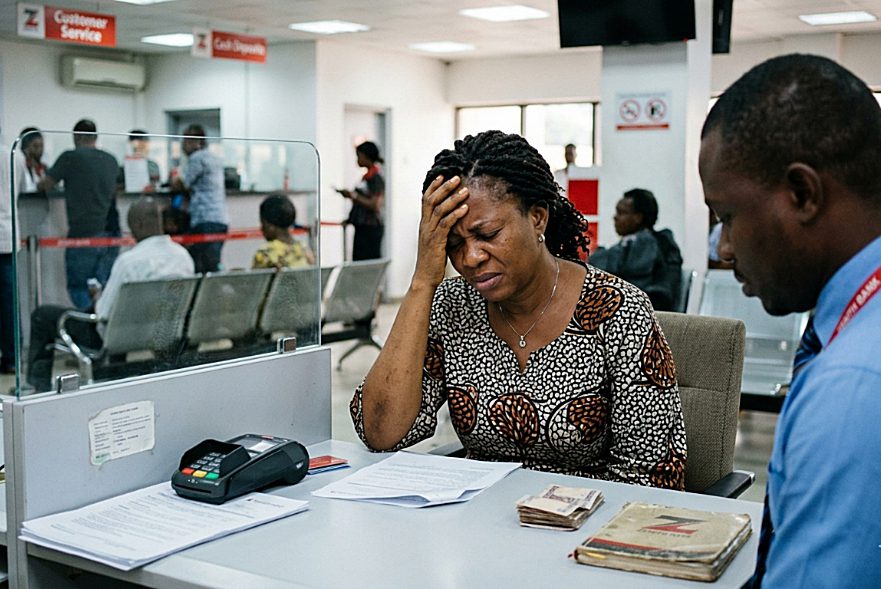
Physical Signs of Stress
In Nigeria, we often attribute every physical ailment to physical causes. While infections are real, our mental state frequently manifests as physical pain.
Headaches and Migraines: The Pressure Cooker Effect
A tension headache feels like a tight band around your head. It is usually caused by muscle tension in the neck and scalp, often triggered by sitting at a computer for hours or the “mental drain” of managing complex logistics.
Migraines, however, are more intense. They are pulsing pains, often on one side of the head, accompanied by sensitivity to light and noise.
- The Cause: Beyond genetics, migraines are frequently triggered by high stress, poor sleep (a common issue for those in the Nigerian tech or business sectors), and dehydration in our tropical heat.
- The Mental Link: There is a “bidirectional” link here. Stress causes migraines, and the chronic pain of migraines leads to anxiety about when the next “attack” will happen.
Stress-Induced Fever and Fatigue
Have you ever noticed you get “feverish” right after a high-stakes project or a family crisis, even if tests show no infection? This is often psychogenic fever. High levels of emotional stress can raise the body’s core temperature.
- The Cause: When the brain is under “high mental drain,” it stays in a “fight or flight” mode. This constant state of alert exhausts the immune system, making you feel weak, hot, and drained.
Common Mental Health Conditions and Their Symptoms
Understanding mental health starts with naming what we feel. Here are the most common conditions affecting Nigerians today:
Generalized Anxiety Diysorder (GAD)
This isn’t just worrying about Nigerian huddles, It is a persistent feeling of dread about everyday things—money, family safety, or work performance.
- Symptoms: Restlessness, “overthinking,” heart palpitations, and difficulty concentrating.
- The Nigerian Context: The uncertainty of the economy or “Sapa” (financial lack) can make anxiety feel like a permanent state of being.
Depression
Depression is more than just sadness; it is a loss of interest in things you once loved.
- Symptoms: Constant fatigue, changes in appetite, feelings of hopelessness, and a heavy feeling in the chest.
- The Mental Drain: For those in high-pressure roles—like website managers or content strategists—the constant need to be “creative” and “online” can lead to a specific type of burnout that mimics depression.
Post-Traumatic Stress Disorder (PTSD)
Many Nigerians experience “secondary trauma” from news or personal experiences with insecurity or fraud.
- Symptoms: Flashbacks, avoiding certain places, and being “easily startled.”
Hight level of mental drain in Nigerian Life
Why are we so tired? The Nigerian lifestyle requires a high level of Cognitive Load.
- Logistics Stress: Planning a simple delivery or commute involves calculating fuel, traffic, and power outages.
- Digital Fatigue: For those working in technology, the 24/7 nature of the internet means the brain never “shuts down.”
- The “Black Tax”: The emotional and financial weight of supporting extended family adds a layer of mental pressure that many Western health guides don’t mention.
How to Improve Your Mental Health: Practical Steps for immediate results
Improving your mental health doesn’t always require a total life overhaul. It’s about micro-habits.
Regulate Your Nervous System
When you feel a migraine coming on or your heart racing, your nervous system is “dysregulated.”
- The Fix: Deep breathing (4-7-8 technique). Inhale for 4 seconds, hold for 7, and exhale slowly for 8. This signals your brain that you are safe.
- Somatic Movement: If you’ve been at your desk all day, “shake” your body for two minutes. This physical movement helps release stored stress energy.
Set Digital Boundaries
If your work involves managing platforms like VDM.ng or social media accounts, your brain is constantly processing data.
- The Fix: Use “Work Focus” modes on your phone. After 8:00 PM, put the phone away. The world will not end if you respond at 8:00 AM.
Prioritize Sleep Hygiene
Sleep is the “dishwasher” of the brain; it clears out metabolic waste.
- The Fix: Try to keep your sleeping area cool and dark. Even if you use a generator, try to time it so you have at least 6 hours of quiet, uninterrupted rest.
Nutrition and Hydration
Our Nigerian diet is rich, but sometimes heavy on processed carbs when we are busy.
- The Fix: Increase water intake to combat “dehydration headaches.” Incorporate more leafy greens (Ugu, Shoko) and Omega-3 fats (fish) which are proven to support brain health.
Buildings Resilience
Resilience shouldn’t mean “suffering in silence.” True resilience is knowing when to pause.
In Nigeria, we often say, “I can’t come and kill myself.” It’s a humorous phrase, but it’s actually a very healthy philosophy. It means recognizing that no job, project, or “hustle” is worth your sanity.
Community as Therapy
One of Nigeria’s greatest strengths is our community. Don’t isolate yourself. Talk to a trusted friend, join a support group, or even engage in “offline” hobbies like cooking or sports. Physical community reduces the cortisol levels that lead to those stress-induced fevers.
Summary table
| Condition | Common Treatments |
|---|---|
| Anxiety/Depression | Cognitive Behavioral Therapy (CBT): Talking to a therapist to change negative thought patterns. |
| Severe Migraines | Preventative Medication: Prescribed by a doctor, alongside lifestyle changes like reducing caffeine. |
| Chronic Burnout | Rest & Boundaries: Sometimes the “treatment” is a medical leave of absence and a reassessment of workload. |
| Severe Symptoms | Pharmacotherapy: In some cases, a psychiatrist may prescribe antidepressants or anti-anxiety meds to balance brain chemistry. |
When to See a Doctor: Don’t Ignore These Red Flags
In Nigeria, our “tough” spirit often makes us wait until a situation is critical. However, when it comes to the intersection of headaches, vestibular migraines, and mental health, certain symptoms require immediate professional medical intervention.
1. Physical “Red Flags” (Emergency Symptoms)
If you experience any of the following, do not treat it as “just stress” or “malaria.” Visit a clinic in Port Harcourt (such as UPTH or a trusted private hospital) immediately:
- The “Thunderclap” Headache: A sudden, excruciating headache that feels like the worst pain of your life.
- Neurological Shifts: Sudden numbness in one arm, drooping on one side of the face, or difficulty speaking.
- Fever with a Stiff Neck: If a high fever is accompanied by an inability to touch your chin to your chest, this could be meningitis, not stress.
- Vision Loss: Sudden blurring or loss of sight in one or both eyes during a migraine.
2. Vestibular & Balance Warnings
While Vestibular Migraines are manageable, you should see an ENT (Ear, Nose, and Throat) specialist or a Neurologist if:
- The spinning (vertigo) lasts for several days without stopping.
- You experience sudden hearing loss or a loud, constant ringing in one ear (Tinnitus).
- You find yourself falling or unable to walk in a straight line.
3. Mental Health “Turning Points”
Mental drain is a spectrum, but it becomes a clinical priority when it interferes with your “Daily Living Activities.” Seek a therapist or psychiatrist if:
- Suicidal Ideation: You have thoughts of hurting yourself or feel that the world would be better off without you.
- Functional Impairment: You are unable to get out of bed, shower, or perform basic tasks for your business or family for more than two weeks.
- Panic Attacks: Your anxiety is causing physical chest pain or a feeling of “impending doom” that you cannot control.
- Substance Reliance: You find yourself needing alcohol or unprescribed “relaxants” just to cope with the mental load of the day.
Summery table for symptoms and ccaises of mental health
| Symptom | Possible Cause | Action Required |
|---|---|---|
| Sudden “Worst Ever” Headache | Potential Stroke/Aneurysm | ER Immediately |
| Dizziness + Hearing Loss | Vestibular Issue/Infection | See an ENT Specialist |
| High Fever + Confusion | Severe Infection/Meningitis | See a Doctor Today |
| Prolonged Hopelessness | Major Depression |
Where to Find Help for mental health in Nigeria
In 2026, access to help is easier than it used to be. You can choose:
- General Hospitals: For physical symptoms like persistent fevers and migraines.
- Teaching Hospitals: For specialized neurological or vestibular testing.
- Teletherapy Platforms: Many Nigerian startups now offer confidential “Talk Therapy” via WhatsApp or video calls, which is perfect for busy professionals in high-drain roles.
Frequently Asked Questions
1. “Can stress cause malaria-like symptoms?”
Answer: Yes. In Nigeria, we often mistake “Psychogenic Fever” for malaria. High levels of cortisol (the stress hormone) can cause your body temperature to rise, along with body aches and extreme fatigue. If your malaria tests are consistently negative but you still feel “feverish” during a stressful work week, it is likely your body reacting to mental drain.
2. “How can I improve my mental health without spending money?”
Answer: You don’t always need an expensive therapist to start. Nigerians are currently searching for “low-friction” wellness.
- Deep Breathing: Use the 4-7-8 technique to calm your nervous system.
- Nature & Movement: A 10-minute walk outside (away from screens) can lower blood pressure.
- Community: Talking to a trusted friend about your “hustle” is a form of informal “Talk Therapy” that reduces isolation.
3. “Why do I have a constant headache but my BP is normal?”
Answer: This is frequently a Tension Headache or a Migraine. While High Blood Pressure (the “silent killer”) is a major concern in Nigeria, persistent headaches with normal BP are often caused by:
- Eye Strain: From long hours on digital devices.
- Dehydration: Common in our heat.
- Mental Exhaustion: The brain’s way of saying it needs a “system reboot.”
4. “What are the early signs of a nervous breakdown in a high-pressure job?”
Answer: Many Nigerians in tech or management roles experience “Burnout” before a breakdown. Look for:
- Irritability: Snapping at colleagues or family over small things.
- Insomnia: Being tired but unable to sleep because your mind is “racing.”
- Physical Pain: Sudden migraines, neck tension, or unexplained stomach upsets.
5. “How do I stop overthinking about the future and ‘Sapa’?”
Answer: “Sapa” (financial stress) is a major driver of Generalized Anxiety Disorder in Nigeria.
- Control the Controllables: Focus on your daily tasks rather than the 5-year plan.
- Digital Detox: Limit how much “wealth-flaunting” content you consume on social media; it often triggers feelings of inadequacy and anxiety





 Doctor Brandy Harmon

As someone who’s lived through the hustle of Lagos and seen how mental health struggles often mask themselves as physical symptoms, I appreciate the article’s emphasis on recognizing stress’s toll on the body. It’s a timely reminder that our minds and bodies are deeply connected, especially in a fast-paced environment like Nigeria. This guide offers practical insight into understanding and addressing mental wellness before it manifests in more serious health issues.