Why Does My Heart Beats So Fast?
Your heart beats fast due to either, anemia, excessive alcohol consumption, too much consumption of unhealthy Nigerian energy drinks, thyroid dysfunction, and many other factors. A normal heart beats 100 times per minute. To treat this, you need to see a doctor for diagnosis, in other to know the exact causes of your fast heart beat.
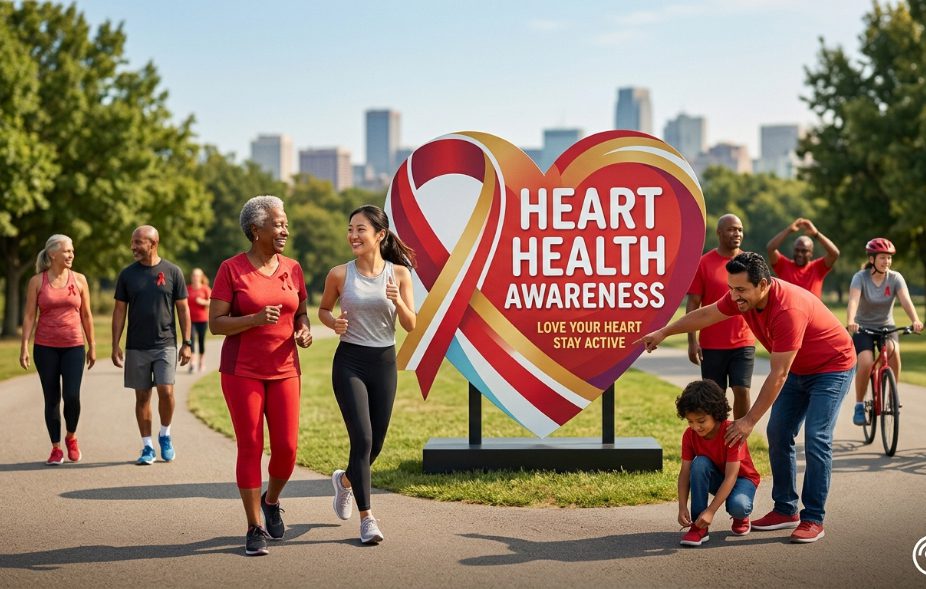
In this article we shall be considering some basic causes of fast heart beat, as well as procure some possible solutions. However, it is important to always consult a doctor, other than self – medications.
Introduction to why your heart beats so fast
The human heart is an incredible engine. On an average day, it beats about 100,000 times, pumping blood to every corner of your body. Most of the time, we don’t even notice it. But for some individuals, the heart feels like a drummer hitting a frantic solo.
When your heart rate exceeds 100 beats per minute (BPM) while you are at rest, it is called tachycardia. While it can be scary, a fast heartbeat is often just your body responding to internal or external “signals.”
1. The Heart Beats So Fast When Fighting Incoming Issues
The most common reason for a fast heartbeat is your Autonomic Nervous System. Think of this as your body’s autopilot. When you perceive stress, fear, or excitement, your brain releases adrenaline and cortisol.
- Stress and Anxiety: Even if there is no physical danger, a stressful thought can trick your body into thinking it needs to run away. Your heart speeds up to get oxygen to your muscles so you can “fight” or “flee.”
- Panic Attacks: For some, this system misfires, causing a sudden, intense spike in heart rate accompanied by shortness of breath.
2. Lifestyle and Chemical Triggers
Sometimes, the reason for a racing heart isn’t your emotions, but what you’re putting into your body.
- Caffeine and Stimulants: Energy drinks, coffee, and even some sodas contain caffeine, which acts as a direct stimulant to the heart’s electrical system.
- Nicotine: Smoking or vaping constricts blood vessels and forces the heart to work harder and faster.
- Alcohol: For some individuals, even a single drink can trigger “Holiday Heart Syndrome,” where the heart rhythm becomes irregular and fast.
3. Physical Health and Underlying Conditions
If your heart beats fast even when you are relaxed and haven’t had caffeine, it might be due to a physical imbalance.
Dehydration and Electrolytes
Your heart relies on minerals like potassium, calcium, and magnesium to send electrical signals. If you are dehydrated or low on these electrolytes, the electrical “wiring” of your heart can spark incorrectly, leading to a faster rhythm.
Anemia
Anemia occurs when you don’t have enough healthy red blood cells to carry oxygen. To compensate for the lack of oxygen, the heart beats faster to circulate what little it has more quickly.
Thyroid Issues
The thyroid is a small gland in your neck that controls metabolism. If it is overactive (hyperthyroidism), it’s like turning the “speed dial” up on every organ in your body, including your heart.
4. Fever and Illness
When you have an infection, your body temperature rises. A fever causes your metabolic rate to increase. For every degree your body temperature rises, your heart rate usually increases by about 10 beats per minute to help your immune system move white blood cells around the body.
5. Genetic and Structural Issues
In some individuals, the “wiring” they were born with is slightly different.
- SVTs (Supraventricular Tachycardias): These are extra electrical pathways in the heart that can cause “short circuits,” making the heart suddenly zoom to 150 or 200 BPM.
- POTS (Postural Orthostatic Tachycardia Syndrome): This is common in younger individuals where the heart rate spikes simply by standing up from a sitting or lying position.
When Should You Worry?
A fast heart rate is often harmless—like after a workout or a scary movie. However, you should seek medical advice if the racing heart is accompanied by:
- Dizziness or lightheadedness.
- Chest pain or pressure.
- Fainting spells.
- Shortness of breath that doesn’t go away with rest.
Summary Table: Common Triggers
| Trigger Category | Examples | Why it happens |
|---|---|---|
| Emotional | Stress, Anxiety, Fear | Adrenaline surge |
| Chemical | Caffeine, Nicotine, Alcohol | Direct stimulation of heart nerves |
| Environmental | Dehydration, Heat | Low blood volume/Electrolyte imbalance |
| Medical | Anemia, Hyperthyroidism | The body compensating for low oxygen or high metabolism |
How to Help Yourself
- Hydrate: Drink plenty of water to maintain blood volume.
- Breathe: Use “Box Breathing” (inhale for 4, hold for 4, exhale for 4) to calm your nervous system.
- Limit Stimulants: Track how your heart reacts after your morning coffee.
FAQs
Why is my heart beating fast always
Why do I feel chest pain
why do I easily get afraid


 Doctor Brandy Harmon