
How to save a life after a gunshot: A Guide to Saving a Life After a Gunshot Wound
Imagine the scene: the high-energy, hilarious Broda Shaggi—Nigeria’s “fine boy agbero”—is filming a skit on the streets of Ogun State. Suddenly, the atmosphere shifts. Chaos erupts, a loud bang rings out, and the unthinkable happens. Shaggi is down, clutching a wound, with soaking fluid through his clothes. Source

The reality of gun violence in Nigeria—from accidental discharges to armed robberies, is a sobering truth. Whether it’s a high-profile celebrity or a stranger on the street, the minutes immediately following a gunshot, what you do in those first sixty seconds can be the difference between a funeral and a recovery.
Now let’s have a deep dissection of this tips, for better understanding:
How to save a life, after gun shot
1. Check the Scene
Before you rush to help Broda Shaggi or any victim, you must ensure you won’t become the second victim.
- Is the shooter still there? If the area is “hot,” stay down. You cannot help anyone if you are also shot.
- Call for help: In Nigeria, the emergency numbers are 112 or 199, but often, shouting for nearby security or a “Gallant” bystander to bring a car is faster.
2. Find the Source of Bleeding
Once it is safe, get to the victim. You need to find where the blood is coming from. Gunshots cause massive internal and external damage.
- Expose the wound: Don’t be shy. Cut or rip away the clothing. In Shaggi’s case, his signature colorful shirts might hide the entry point. You need to see the skin.
- Look for entry and exit: A bullet often goes in one way and out the other. You must treat both holes.
3. Stop the Bleeding
Blood loss is the number one cause of death from gunshots. You have three main tools: Pressure, Packing, and Tourniquets.
Direct Pressure
If the wound is on the chest or abdomen, take a clean cloth (or even your shirt) and press down with both hands as hard as you can. Do not “peek” to see if it has stopped. Keep pressing until professional help arrives.
Packing the Wound
For deep wounds in “junctional” areas like the groin or armpit, you need to “stuff” the wound.
- Take gauze or cloth and literally push it into the hole.
- Keep stuffing until you can’t fit any more, then apply pressure on top.
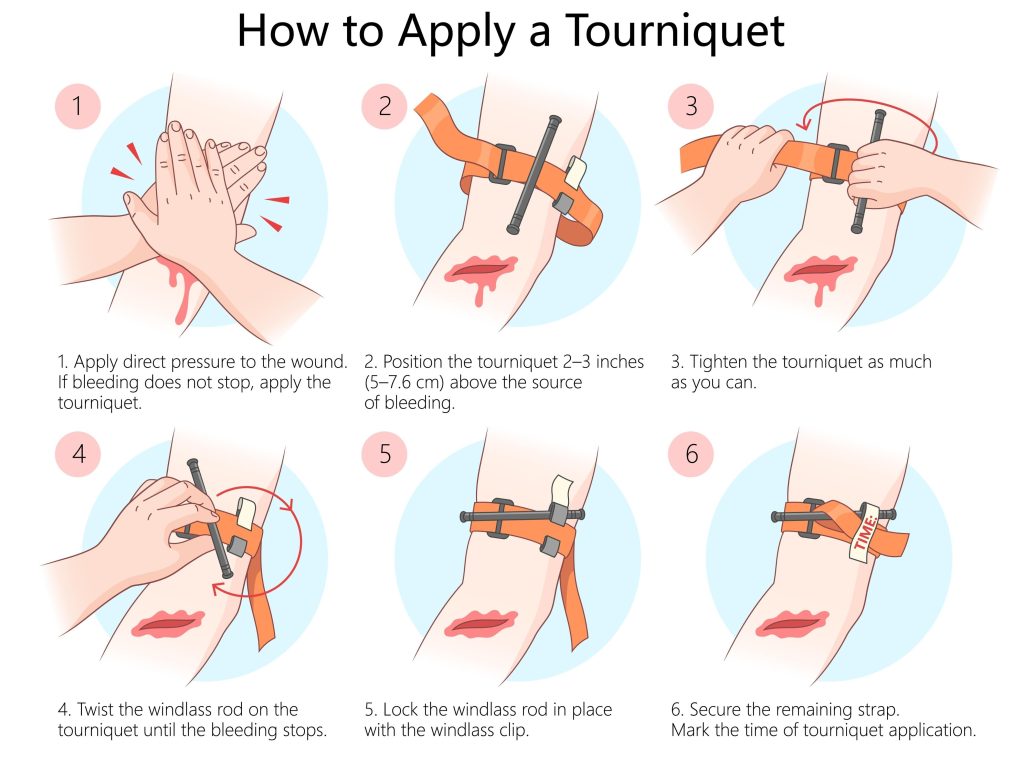
The Tourniquet (For Limbs Only)
If Shaggi is shot in the arm or leg and the blood is “spurting” (hitting an artery), direct pressure might not be enough. You need a tourniquet.
- Where to place it: High and tight. Place it 2–3 inches above the wound, between the wound and the heart.
- How to make one: Use a thick belt, a sturdy piece of cloth, or a tie. Wrap it around the limb, tie a knot, place a stick (or a sturdy pen) on top, tie another knot over the stick, and twist until the bleeding stops.
- Note the time: Write down what time you applied it.
4. Seal the Chest Wound
If a victim is shot in the chest, you might hear a whistling or bubbling sound. This is air entering the chest cavity, which can collapse the lungs.
- Seal it: You need to cover this wound with something airtight—like a plastic bag, a piece of foil, or even the wrapper of a gala roll.
- The Three-Sided Tape: Tape the plastic on three sides only. This creates a “flutter valve” that lets trapped air out but doesn’t let new air in.
5. Positioning and Shock
Shock kills just as surely as the bullet.
- Keep them warm: Even in the Ogun State heat, a person losing blood will get cold. Cover them with a jacket.
- The Recovery Position: If they are unconscious but breathing, lay them on their side so they don’t choke on vomit or their tongue.
- Keep them calm: Talk to them. “Shaggi, look at me. Stay with me. Help is coming.” Keeping a victim’s heart rate down by keeping them calm can actually slow blood loss.
6. Lessons from Past Incidents
Nigeria has seen its share of tragedies, from the Lekki Toll Gate events to the unfortunate killing of stars like Dagrin (due to accidents) or others caught in crossfires. The common thread in survivors is immediate intervention.
Many people make the mistake of waiting for an ambulance that may be stuck in Lagos traffic. In the Nigerian context:
- Don’t wait for the police report: While there used to be a fear that hospitals wouldn’t treat gunshot victims without a police report, the Compulsory Treatment and Care for Victims of Gunshot Act of 2017 makes it illegal for hospitals to refuse treatment. Remind the doctors of this law if they hesitate.
- Private Transport: If an ambulance isn’t visible, use a private car or even a Keke Napep to get them to the nearest General Hospital or Federal Medical Centre.
Cost of Gunshot Treatment in Nigeria: Laws, Hospital Fees, and Patient Rights (2026 Guide)
In an emergency, the last thing anyone should worry about is a police report or an upfront deposit. However, in Nigeria, the “fear of the law” often clashes with the “cost of care.” Understanding the Compulsory Treatment and Care for Victims of Gunshots Act and the current medical pricing landscape is essential for every citizen.
1. The Legal Reality: Can a Hospital Refuse Treatment?
By law, no hospital in Nigeria—public or private—has the right to refuse a gunshot victim.
According to the Compulsory Treatment and Care for Victims of Gunshots Act (2017) and its subsequent 2024 amendments:
- No Police Report Required: Hospitals must commence treatment immediately without waiting for a police clearance.
- **No Initial Deposit: Facilities are mandated to provide “immediate and adequate treatment” without an initial monetary deposit.
- Duty to Report: The hospital must notify the police within two hours of starting treatment, but the notification must not delay the medical intervention.
Note: Failure to treat a victim can lead to a fine of ₦100,000 or 6 months imprisonment for the doctor, while negligence leading to death can result in up to 15 years in prison.
2. Estimated Costs of Gunshot Treatment in Nigeria (2026)
While the law mandates immediate stabilization without a deposit, the treatment is not free. Total costs vary significantly based on the severity of the wound, the body part affected, and the type of facility.
Breakdown of Medical Expenses
| Service Category | Public/General Hospitals | Private Specialist Hospitals |
|---|---|---|
| Emergency Stabilization | ₦20,000 – ₦50,000 | ₦70,000 – ₦150,000 |
| Major Surgery (Exploratory) | ₦150,000 – ₦350,000 | ₦500,000 – ₦1,500,000+ |
| Wound Dressing (Per Week) | ₦15,000 – ₦30,000 | ₦40,000 – ₦80,000 |
| ICU Care (Per Day) | ₦25,000 – ₦60,000 | ₦150,000 – ₦300,000 |
| X-rays/CT Scans | ₦15,000 – ₦45,000 | ₦50,000 – ₦120,000 |
Summary table
| Action | Method |
|---|---|
| Direct Pressure | Use both hands, lean your body weight into it. |
| Packing | Stuff cloth deep into the wound. |
| Tourniquet | High and tight on arms/legs; twist until bleeding stops. |
| Chest Wound | Seal with plastic on three sides. |
| Transport | Move them immediately to a hospital. |
Frequently Asked Questions (FAQ)
Q1: What is the very first thing you should do for a gunshot victim?
Answer: Ensure the scene is safe. You cannot help if you become a second victim. Once safety is confirmed, call emergency services immediately and then move to control any life-threatening bleeding.
Q2: Should you ever try to remove the bullet from a wound?
Answer: No. Never attempt to remove a bullet. It may be acting as a “plug” for a damaged artery. Removing it can cause uncontrollable internal bleeding and further tissue damage. Wait for a surgical team.
Q3: How do I treat a gunshot wound to the chest?
Answer: This is a “sucking chest wound.” Seal it immediately with an airtight material (like plastic wrap) or a vented chest seal. This prevents air from entering the chest cavity and collapsing the lungs.
Q4: When should I use a tourniquet?
Answer: Use a tourniquet only for life-threatening bleeding on an arm or leg that cannot be stopped by direct pressure. Apply it 2–3 inches above the wound (between the wound and the heart), but never on a joint.
Q5: How can I tell if a gunshot victim is going into shock?
Answer: Look for pale, cool, or clammy skin, a rapid but weak pulse, shallow breathing, and confusion or restlessness. Keep the victim warm with a blanket or jacket to help maintain their body temperature


 Doctor Brandy Harmon